Mobile home living doesn't mean sacrificing your environmental values or accepting high utility bills. With energy costs climbing and climate concerns growing, manufactured home owners are discovering that going green is both practical and profitable. Your mobile home actually has several distinct advantages when it comes to sustainable living that traditional homeowners can only dream of.
Key Takeaways
-
Solar panels work exceptionally well on mobile homes due to unobstructed roof space and optimal positioning
-
Proper insulation can reduce heating and cooling costs by up to 31% according to national studies
-
Water conservation systems provide immediate savings on monthly bills while protecting natural resources
-
LED lighting and efficient appliances offer quick return on investment with dramatic usage reductions
-
Mobile homes are inherently more sustainable due to smaller footprints and efficient factory construction methods
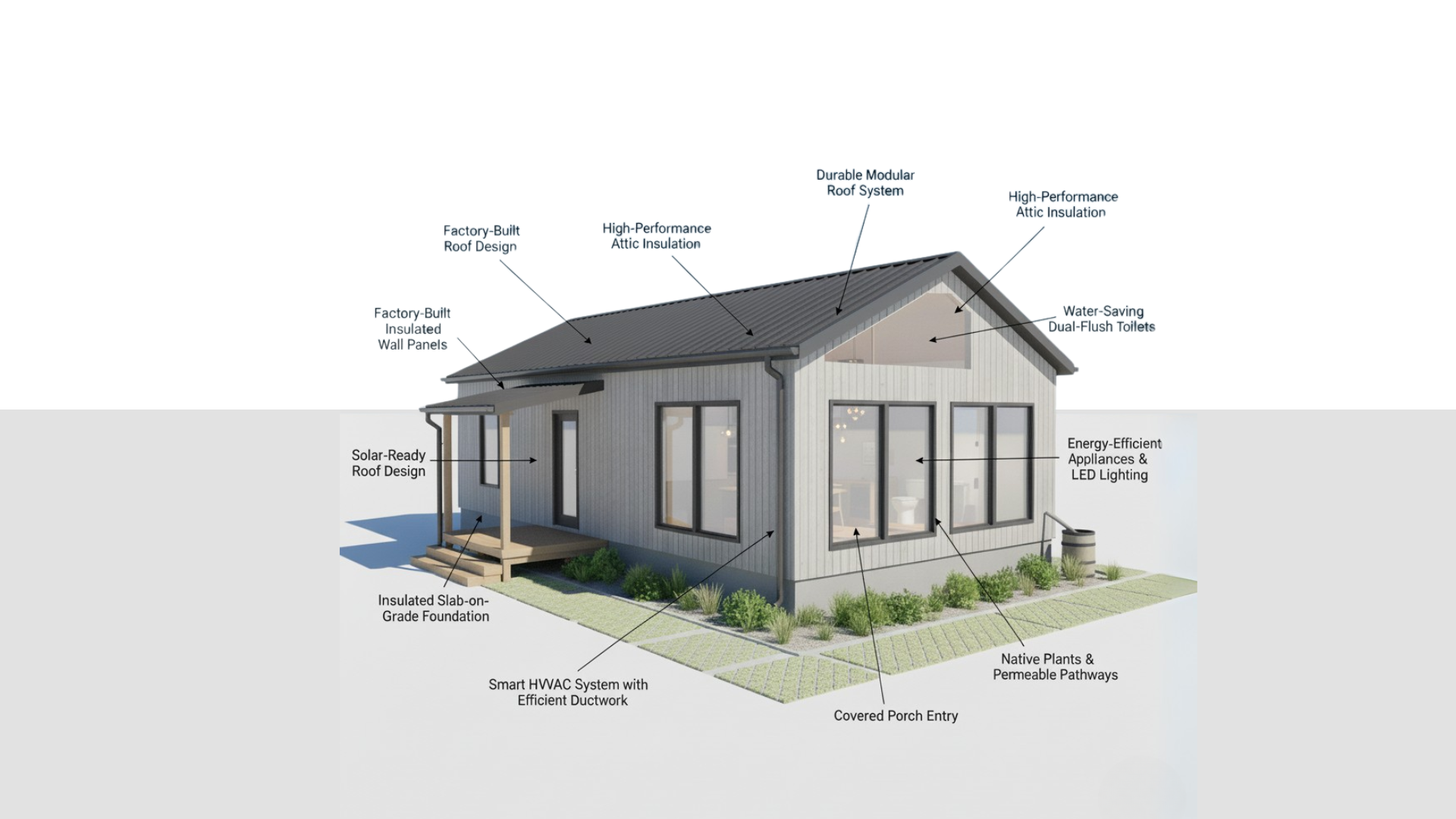
Green mobile living starts with recognizing the advantages of manufactured homes, which are factory-built with better quality control, less waste, fewer materials, and smaller carbon footprints. Adding energy-efficient upgrades reduces utility costs, boosts comfort, and increases resale value while maximizing your investment.
Solar Power Solutions That Actually Work
Solar power is one of the most impactful upgrades for mobile homes, since simple rooflines and open exposure make them ideal for installation. Modern panels are lightweight, and if roof mounting isn’t an option, ground-mounted systems provide easy maintenance and strong performance.
Here's what makes mobile home solar particularly attractive compared to traditional housing:
-
Lower installation costs due to simpler roof structures and easier access
-
Faster permitting process in most jurisdictions
-
Optimal sun exposure without tall trees or neighboring buildings blocking panels
-
Immediate impact on smaller electrical loads typical in manufactured homes
-
Higher efficiency per square foot due to concentrated energy usage
Battery storage systems have revolutionized mobile home solar from a daytime-only solution to complete energy independence. Modern lithium batteries store excess daytime power for evening use, cloudy days, and power outages. This setup is especially valuable for rural mobile home owners who want to take your mobile home off the grid entirely without sacrificing modern conveniences.
Mobile home solar often pays for itself in 5–8 years, and with tax credits, rebates, and net metering, the long-term savings are substantial. Modern microinverters and power optimizers also improve reliability by keeping shaded panels from reducing overall system performance.
Strategic Insulation Upgrades
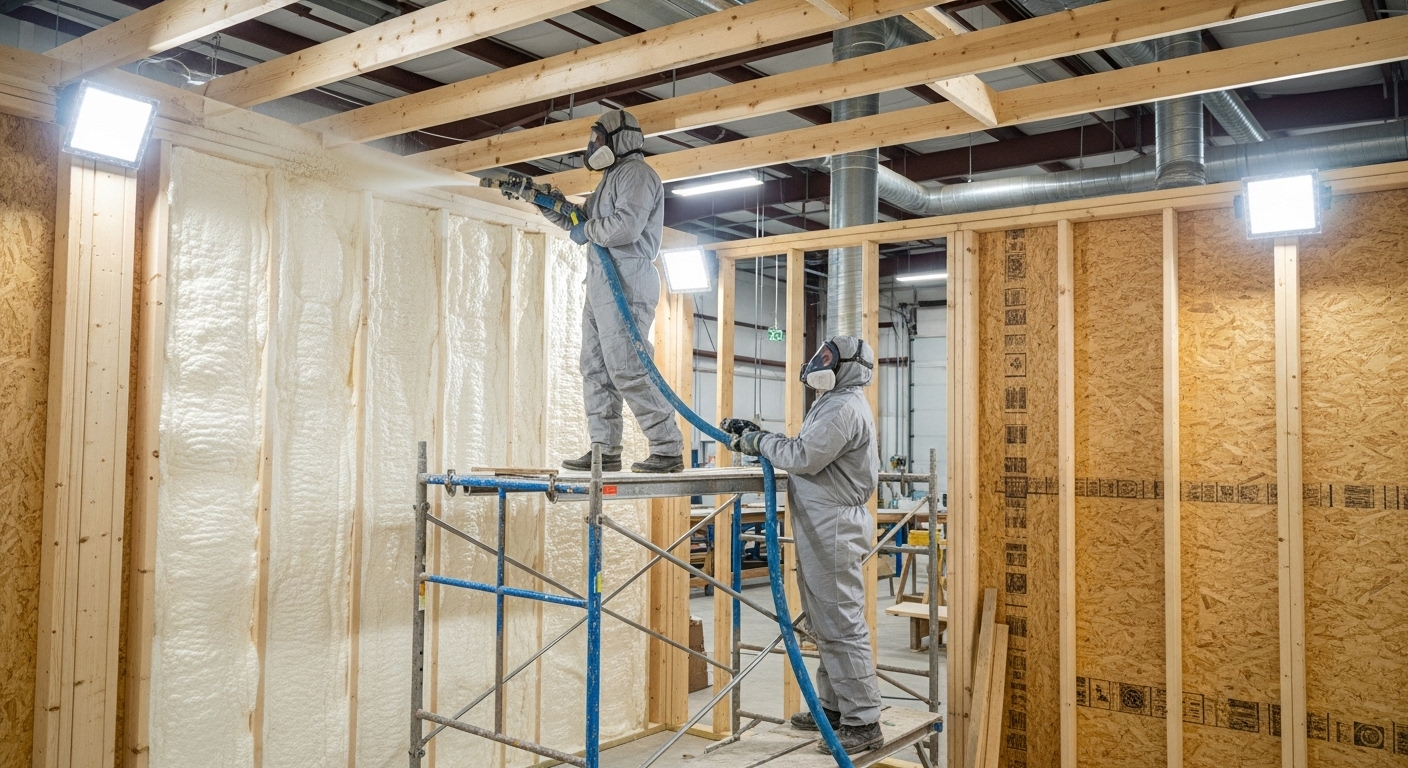
Insulation retrofits in older manufactured homes can cut heating fuel use by 31%, delivering big savings without major construction. Both older and newer mobile homes benefit from targeted upgrades, which are often simpler and more accessible than traditional retrofits.
Priority Areas for Maximum Impact
-
Roof and attic spaces where the greatest heat loss occurs through convection
-
Floor systems and belly wrap to prevent ground moisture and temperature transfer
-
Exterior wall cavities in older homes with minimal factory insulation
-
Around windows, doors, and penetrations to eliminate drafts and air leaks
Blown-in, spray foam, and rigid foam boards all improve insulation in mobile homes, each with different costs and skill levels required. Insulating the belly wrap and underpinning is just as important, since sealing this space prevents moisture problems and reduces energy loss year-round.
Related: What to Know About Double Wide Homes
Professional energy audits can identify your specific home's biggest efficiency opportunities and problem areas. Many utility companies offer these comprehensive assessments at reduced cost or even free, making them an excellent starting point for planning upgrades that increase the value of your mobile home while reducing operating costs.
US mobile homes benefit significantly from professional energy assessments because manufactured housing has unique characteristics and construction methods that generic efficiency advice doesn't properly address.
Water Conservation Systems That Pay
Water conservation in mobile homes lowers utility bills and has greater impact thanks to the smaller living space. Low-flow fixtures like modern showerheads, faucets, and dual-flush toilets cut water use significantly without reducing comfort.
Consider implementing these proven water-saving strategies in your manufactured home:
-
Tankless water heaters that eliminate standby heat loss and provide endless hot water
-
Low-flow showerheads that can reduce shower water usage by 40% or more
-
High-efficiency toilets using just 1.28 gallons per flush compared to older 3.5-gallon models
-
Faucet aerators and flow restrictors that maintain pressure while cutting actual flow rates
-
Smart leak detection systems that alert you to problems before they become expensive disasters
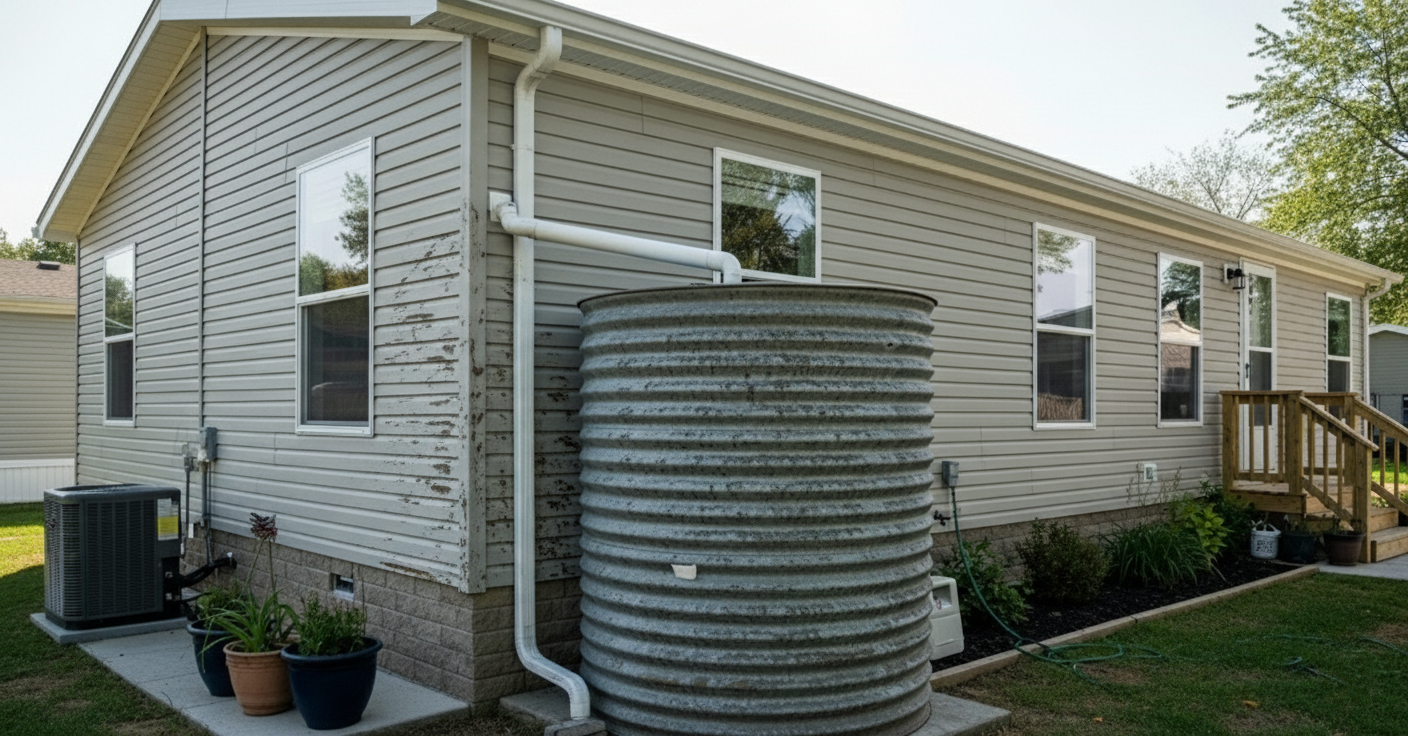
Rainwater collection fits mobile homes well since simple rooflines make gutter systems easy, and the water can be used for irrigation, washing, or filtered indoor needs. Greywater recycling also helps by redirecting sink, shower, and laundry water to outdoor landscaping instead of sending it to treatment facilities.

Energy-Efficient Appliances and Smart Technology
Upgrading to Energy Star appliances saves money and space in a mobile home, while energy-efficient manufactured homes often include them as standard. Adding LED lighting and smart thermostats delivers quick payback, cutting utility bills, reducing waste, and improving comfort.
Related: The 20 Best Small Mobile Homes
Energy-efficient window treatments and ceiling fans can further reduce cooling costs during hot summer months. Reflective window films, insulated cellular shades, and strategically placed fans create comfortable conditions while reducing air conditioning demands.
Smart Implementation Strategies
The key to successful green mobile living lies in starting with improvements that provide the biggest impact relative to your available budget and timeline. Energy efficiency improvements often qualify for utility rebates, manufacturer incentives, and federal tax credits, making them more affordable than initial sticker prices suggest.
If you’ll stay in your mobile home long-term, bigger upgrades like solar and insulation pay off, while short-term residents benefit more from portable improvements such as LED lighting and efficient appliances. Combining upgrades creates stronger results, and starting with small fixes like sealing leaks or adjusting thermostats delivers savings while you plan larger projects.
Contact Home Nation to explore energy-efficient options and green features for your mobile home project.