

Buying a home is exciting until you realize you're not sure if it'll actually fit on your lot. Between setback rules, zoning codes, and utility placement, there's more to consider than just square footage. The good news? With the right info and tools, you can figure this out before you commit to anything.
Key Takeaways
-
Setback requirements dictate how far your home must sit from property lines and streets.
-
Lot dimensions include total space and buildable area, which aren't always the same thing.
-
Zoning codes vary by location and may restrict home size, type, or placement options.
-
Utility access impacts where you can realistically position your home on the property.
-
Visualization tools let you see how a floorplan fits before making a final decision.
What Are Setbacks and Why Do They Matter?
Setbacks are mandatory buffer zones between your home and your property boundaries. Most areas require homes to sit a certain distance from front, side, and rear property lines. These measurements can shrink your usable space faster than you'd think.
Front yard setbacks tend to be the strictest, often requiring 20 to 30 feet from the street. Side yards might only need 5 to 10 feet, but corner lots usually face tougher rules because they border two streets. Rear setbacks typically fall in the 10 to 20 foot range to protect utility access and privacy.
If you're planning to take your mobile home off the grid, setbacks still apply even without municipal utilities. Septic systems, wells, and propane tanks all need proper clearance from structures and property lines.
Your Lot Size vs. Your Buildable Area
Just because you own a half-acre lot doesn't mean you have a half-acre to build on. The buildable envelope is the actual space left after setbacks, easements, and protected areas are subtracted. A lot that looks spacious on paper might leave you with a surprisingly small footprint for placement.
Here's what eats into your buildable space:
-
Utility easements for power lines, water, or sewer access
-
Drainage areas or wetland protections
-
HOA restrictions on home placement or orientation
-
Slope or terrain that limits foundation options
Always check your property survey and local regulations before assuming you have room. What looks like plenty of space can shrink fast once you factor in the fine print.
Related: What to Know About Double Wide Homes

Zoning Codes Can Make or Break Your Plans
Zoning regulations control what you can build, where you can build it, and sometimes even what it has to look like. Some areas welcome manufactured homes with open arms. Others make it difficult or outright prohibit them in certain zones.
Common zoning categories include residential single-family, agricultural, and mixed-use zones. Some municipalities have specific codes for manufactured housing, while others lump them in with site-built homes. You'll want to confirm your lot is zoned correctly before moving forward.
Restrictions might include minimum square footage requirements, architectural style guidelines, or rules about permanent foundations. These aren't suggestions. Violating zoning codes can result in fines, removal orders, or legal headaches you don't want.
How Utilities Affect Home Placement
You can't just drop a home anywhere on your lot and hope the utilities reach. Water, sewer, electrical, and gas connections all influence where your home can realistically sit. If your lot already has utility hookups, that simplifies things. If not, you'll need to plan for installation costs and accessibility.
Septic systems require specific distances from wells, property lines, and structures. Electric service might need trenching or pole installation depending on where the nearest connection point sits. Even if you're aiming for energy-efficient manufactured homes, you still need to position them where utilities can reach without major expense.
Planning for energy efficiency also means thinking about sun exposure, wind direction, and drainage patterns. A poorly placed home can cost you more in heating and cooling than you'd save by choosing an efficient model.
Measuring Your Property Accurately
Guessing where your property lines sit is a bad idea. You need accurate measurements, and that usually means getting a professional survey or working from an existing one. Property stakes, if they're still visible, mark corners and boundaries, but they can shift or disappear over time.
Steps to measure your lot correctly:
-
Locate your property survey or order a new one if needed
-
Identify setback requirements from your local zoning office
-
Mark out the buildable envelope using stakes or string
-
Measure the dimensions of your planned home for comparison
If you're working with a mobile home floorplan, you'll need the exact length and width including any add-ons like porches or decks. Don't forget to account for transport clearance if your lot has narrow access points or tight turns.
Related: The 20 Best Small Mobile Homes
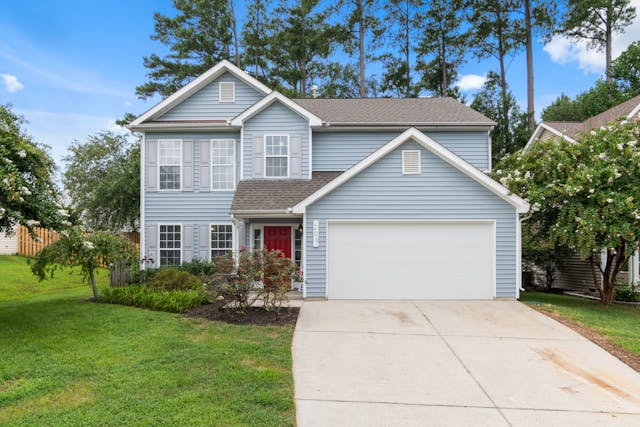
Visualizing Your Home on Your Property
Home Nation offers a tool that lets you see how a floorplan actually fits on your lot before you buy. You can enter your address, select a floorplan, and adjust the placement to see what works. It takes the guesswork out of the process and helps you spot potential issues early.
Here's how it works:
-
Enter your address to pull up your property
-
Choose from available floorplans to overlay on your lot
-
Drag and rotate the home to test different placement options
This kind of visualization beats staring at blueprints and trying to imagine where everything goes. You can see if there's room for a driveway, yard space, or future additions. It's especially useful if you want to increase the value of your mobile home by optimizing placement for curb appeal and functionality.
Check out the tool here: Build on My Land

What to Do If Your Home Doesn't Fit
If you run the numbers and realize your dream home won't fit, you've got options. You can look at smaller floorplans, adjust placement to maximize space, or explore whether variance requests might work in your area. Some zoning boards allow exceptions if you can prove hardship or demonstrate minimal impact.
Another option is reconsidering the lot itself. If the property has odd dimensions or excessive restrictions, it might make more sense to find a different piece of land. That's not the answer anyone wants to hear, but it beats forcing a home onto a lot that can't support it properly.
For US mobile homes, climate considerations are increasingly important too. Poor placement can lead to flooding, wind damage, or other issues that affect long-term livability and resale value.
Ready to See If Your Home Fits?
You don't have to guess whether your home will work on your lot. With accurate measurements, a clear understanding of local rules, and the right visualization tools, you can make an informed decision before moving forward. Take the time to map everything out now, and you'll avoid expensive surprises later.
If you're ready to explore your options or need help figuring out what works for your property, reach out to Home Nation and get personalized guidance that fits your situation.