
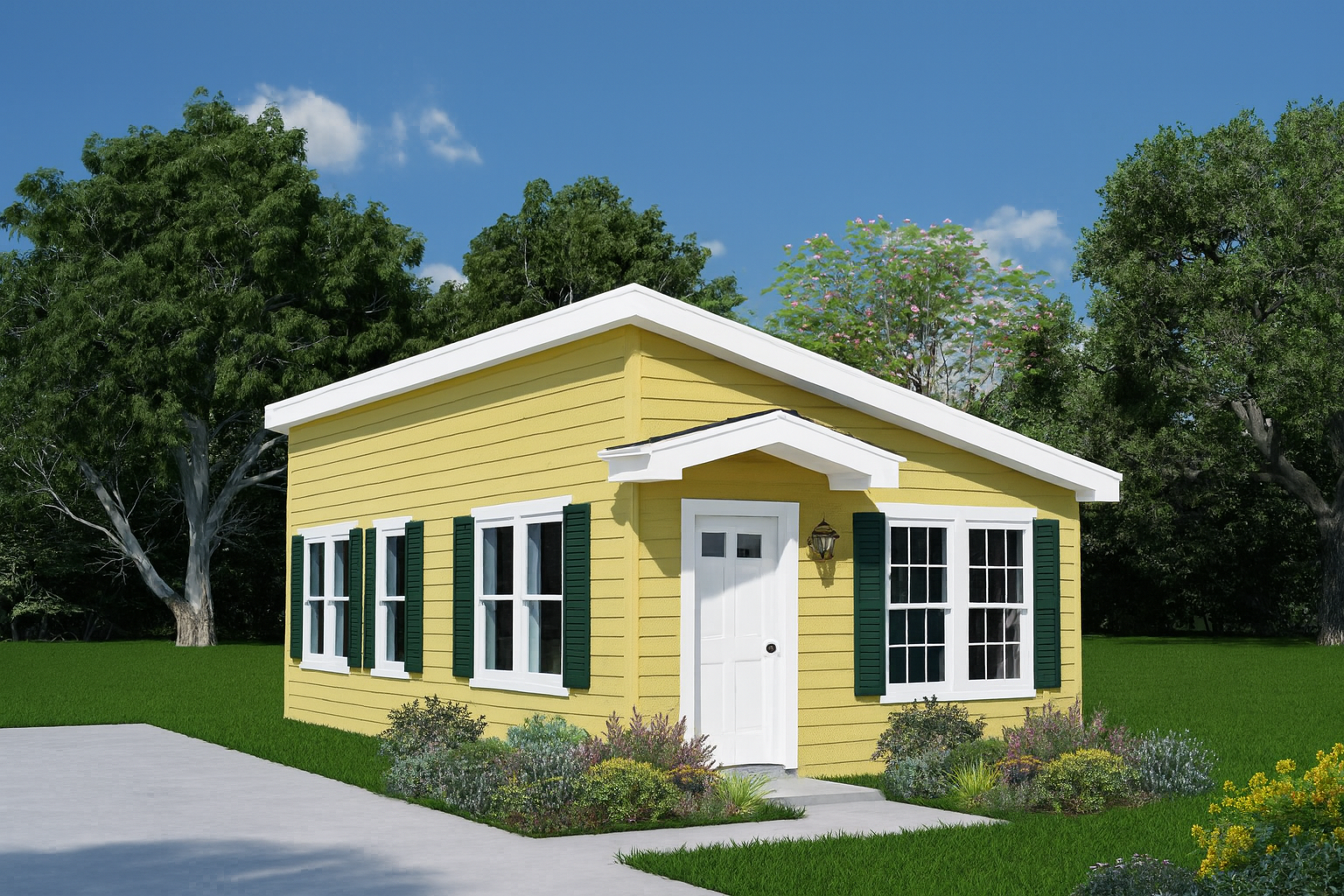
The short answer is yes, you can build a home in your backyard, but there's more to it than just picking a spot and breaking ground. Whether you're looking to house aging parents, create a rental income stream, or give your adult kids a place to land, backyard homes have become a popular solution for families who need extra space without the hassle of moving. The trick is understanding what type of structure works best for your property, your budget, and your local regulations.
Key Takeaways
-
Backyard homes are legal in most areas, but zoning laws and building codes vary by location.
-
Mobile, modular, and prefab homes offer faster, more affordable options than traditional construction.
-
Accessory dwelling units (ADUs) have size limits that differ from tiny homes.
-
Land preparation, utilities, and permits are key factors to consider before installation.
-
Working with a factory-direct dealer like Home Nation can simplify the process and save money.
What Counts as a Backyard Home?
Backyard homes go by a lot of names. You might hear them called guest houses, granny flats, in-law suites, or accessory dwelling units (ADUs). The term you use often depends on how the structure is classified under local zoning laws that regulate backyard housing construction. Understanding what qualifies as an accessory dwelling unit under zoning rules in your area is one of the first things you should look into before making any decisions.
Most ADUs are smaller than primary residences, typically ranging from 400 to 1,200 square feet depending on local regulations. They can be detached structures that stand alone, attached units built onto an existing home, or even converted garages and basements. The main requirement is that they include independent living facilities like a kitchen, bathroom, and sleeping area.
Related: All About Tiny Homes
Examples of Backyard Homes
Island - By Home Nation
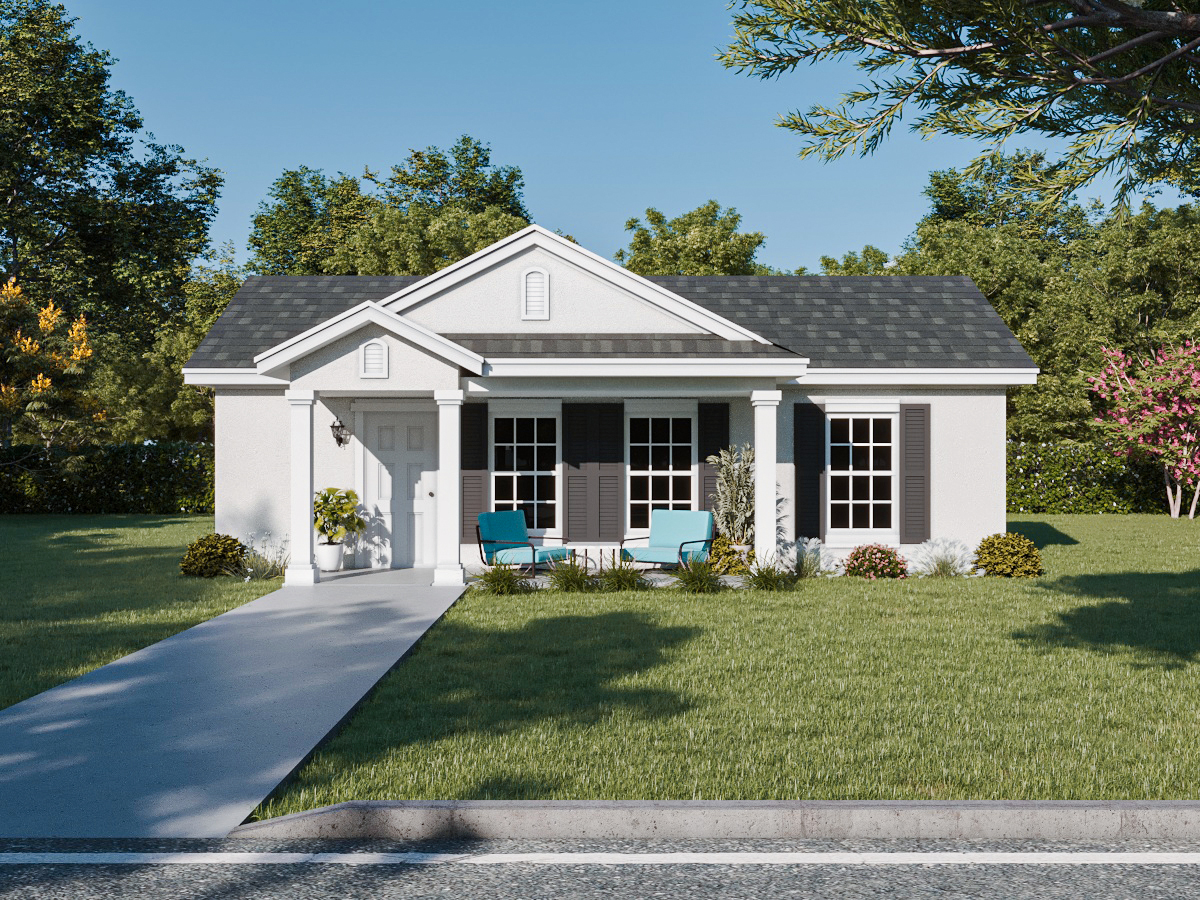
Unlike manufactured housing, this home is site-built using traditional wood-frame construction directly on your land. Every home is engineered and built to meet the Miami-Dade County Hurricane Building Code, one of the strictest in the nation. That means you can feel secure knowing your home is designed to withstand high winds and severe weather conditions common in Florida and coastal regions.
Windsong
-page-001.jpg)
Constructed directly on your land with durable wood-frame construction, the Windsong is built to modern building codes across the country. Its sturdy design provides peace of mind while offering the flexibility and long-term value of traditional site-built housing.
Mobile and Modular Homes as Backyard Options
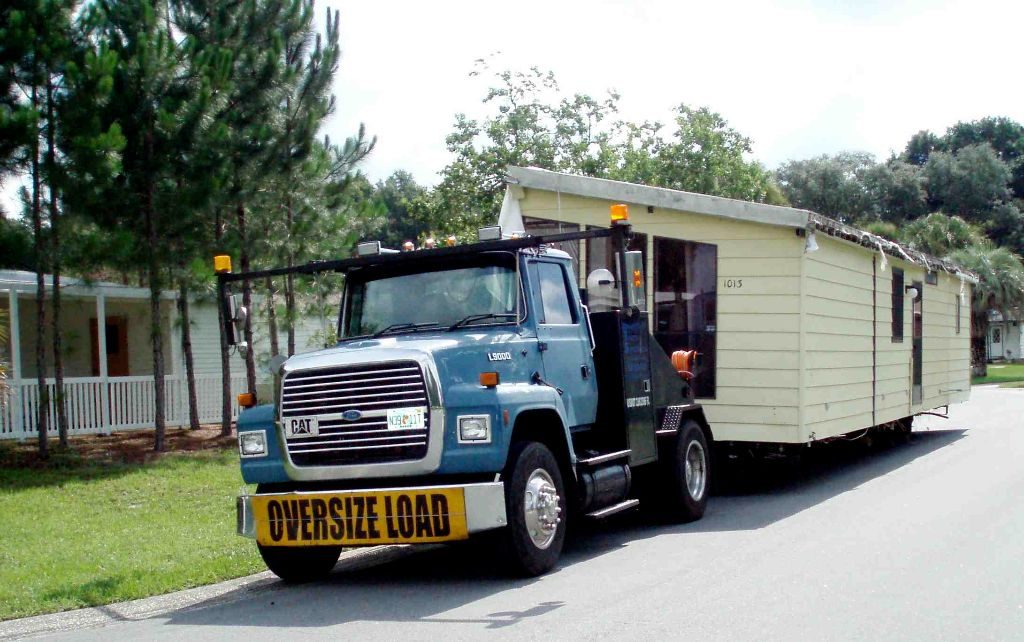
If traditional construction sounds too expensive or time-consuming, mobile and modular homes offer a faster path to a backyard dwelling. These factory-built homes are constructed off-site and delivered to your property, which cuts down on labor costs and construction timelines. A mobile home can be set up in a matter of weeks rather than the months it takes to build a traditional structure from scratch.
Mobile homes, also called manufactured homes, are built to federal HUD standards and come in single-wide and double-wide configurations. Modular homes, on the other hand, are built to local building codes and assembled on-site from pre-fabricated sections. Both options can be customized with features like kitchen islands, upgraded appliances, and energy-efficient windows.
Related: Mobile Vs Modular
How Much Does It Cost?
Building costs vary widely depending on the type of structure you choose and how much site work your property needs. Research on the average cost to build a backyard guest house shows that traditional stick-built ADUs can run anywhere from $100,000 to over $300,000. Mobile and modular homes tend to be significantly more affordable, with prices starting much lower for comparable square footage.
Beyond the home itself, you'll need to budget for site preparation, foundation work, utility connections, permits, and delivery fees. Some of these costs can add up quickly if your property has challenging terrain or requires extensive grading. Getting a clear estimate upfront helps you avoid surprises down the road.
Preparing Your Land
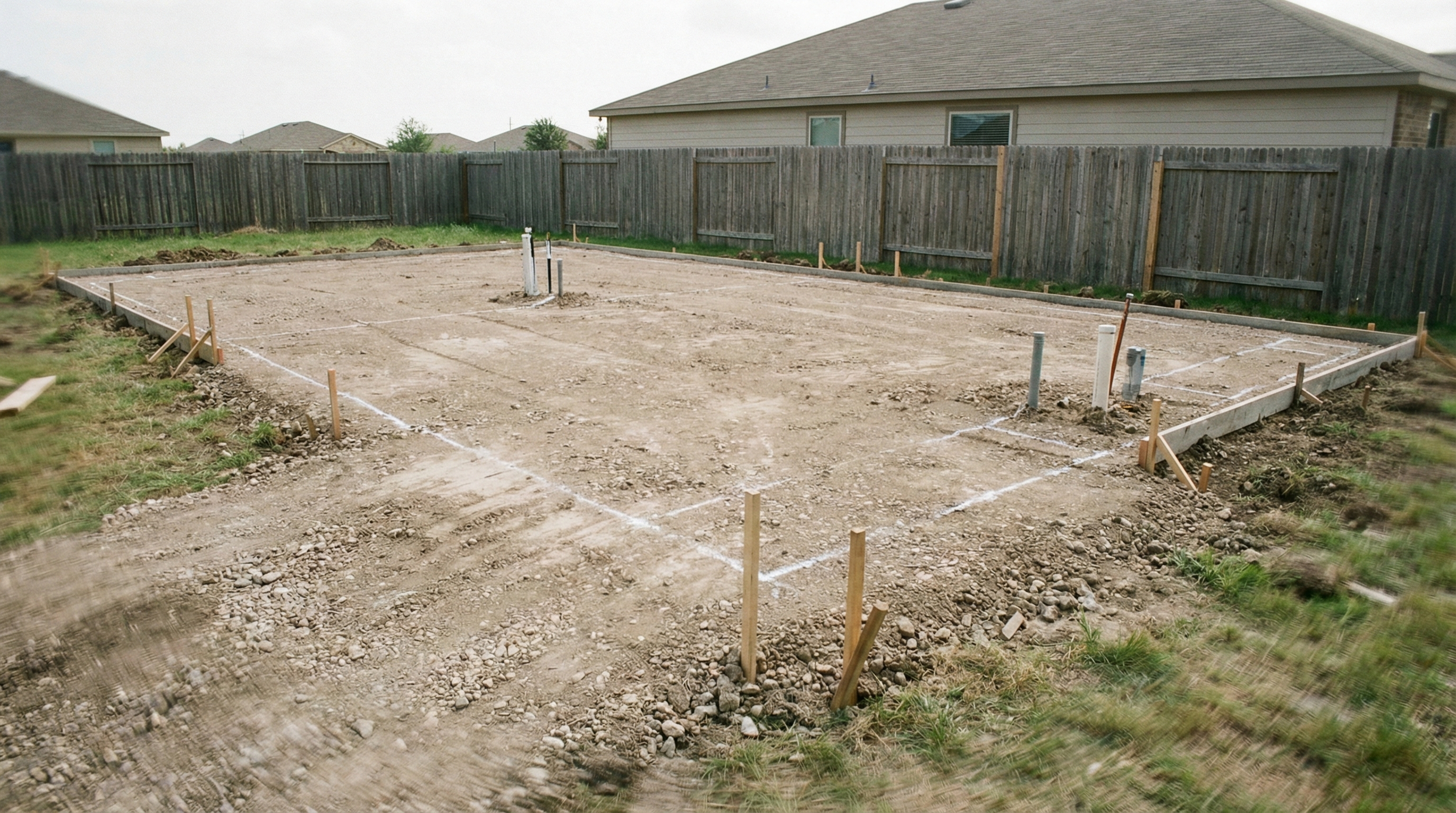
Before any home can be placed in your backyard, you need to make sure your lot can actually accommodate it. If you're not sure whether your property has enough room, you can start by asking yourself will my home fit on my lot and measuring the available space against local setback requirements. Setbacks are the minimum distances a structure must be from property lines, and they vary by municipality.
Site preparation also includes clearing trees, leveling the ground, and running utility lines. When it comes to choosing the right land for your mobile home, you want to consider factors like drainage, soil stability, and proximity to existing utilities. A flat, well-drained lot with easy access to water, sewer, and electricity will make installation much smoother.
The Installation Process
Once your land is ready and permits are in hand, the home can be delivered and installed. For a complete walkthrough of what to expect, Home Nation's mobile home installation guide breaks down each step of the process. Generally, installation involves setting the home on a foundation, connecting utilities, and completing any finish work required by local codes.
The timeline depends on the complexity of your setup. A straightforward installation on a prepared lot might take just a few days, while more involved projects with custom features or difficult terrain could stretch into a couple of weeks. Working with experienced professionals who handle installations regularly helps keep things on track.
Common Uses for Backyard Homes
Backyard homes serve different purposes depending on what your family needs. Here are some of the most common reasons people add a secondary dwelling to their property:
-
Housing for aging parents: Keep family close while giving everyone their own space and privacy.
-
Adult children transitioning: A place for recent graduates or young adults to save money before buying their own home.
-
Rental income: Generate passive income by renting out the unit to long-term tenants.
-
Home office or studio: Create a dedicated workspace away from household distractions.
-
Guest accommodations: Provide visitors with comfortable, private lodging without sharing your main living space.
Making It Happen
Building a backyard home is absolutely possible, and for many families, it's the smartest way to add space without taking on a new mortgage or uprooting their lives. The key is doing your homework on zoning requirements, understanding your options, and working with a dealer who can help you navigate the process from start to finish.
Home Nation offers factory-direct pricing on mobile, modular, and prefab homes with transparent costs and nationwide delivery. Whether you're looking for a single-wide for a small lot or a double-wide with all the upgrades, you can customize your home online and get it delivered right to your property. No middleman markups, no hidden fees, just straightforward pricing and support from a family-owned company that's been helping people find affordable housing for years.