
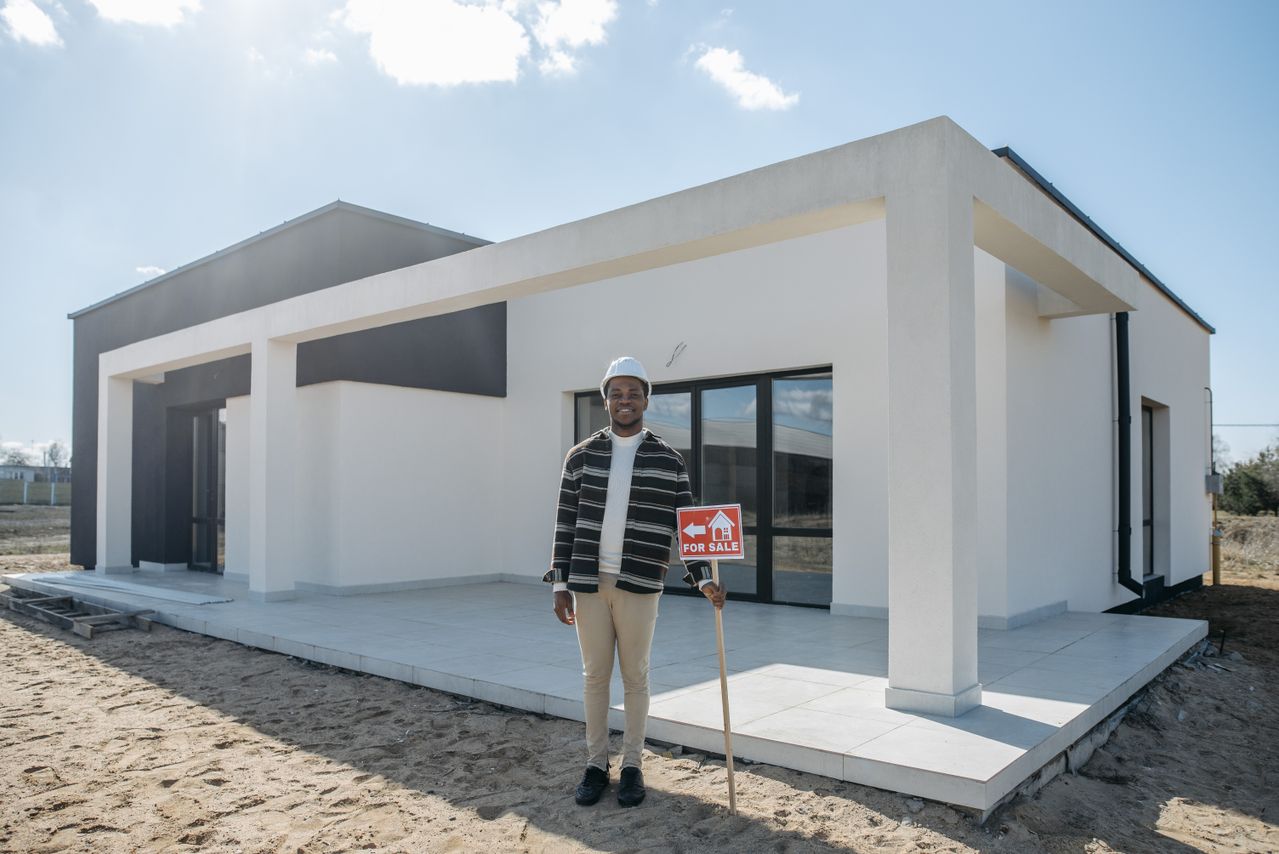
If you're shopping for a new construction home and wondering whether the mortgage rate will be better than on a resale, it often is. New build rates have been running half a percentage point to nearly a full point lower than what resale buyers typically pay, and that gap is largely driven by how builders control their financing options. Understanding what's behind those numbers helps you compare deals accurately and sidestep traps that catch buyers off guard.
Key Takeaways
-
New build buyers often pay lower rates than resale buyers, sometimes by close to a full percentage point.
-
Builders offer rate buydowns by paying upfront at closing to lower the buyer's interest rate.
-
Temporary buydowns expire after one or two years, and your monthly payment increases when the period ends.
-
Buyers still need to qualify at the full original rate, even if a buydown lowers their starting payment.
-
Manufactured and modular home buyers can also access competitive rates through specialized lenders and programs.
Why New Build Rates Often Come In Lower
The rate gap between new builds and resale homes isn't random. In 2024, new construction buyers averaged 6.1% compared to 6.6% for resale buyers, saving roughly $105 a month on a $400,000 home with 20% down. By Q3 2025, that gap had grown to nearly a full percentage point.
The main reason: builders operate their own mortgage companies or work with preferred lenders, giving them tools an ordinary seller doesn't have. When inventory builds up faster than demand, cutting the rate is how they compete without publicly slashing list prices.
How Builder Rate Buydowns Work
Most lower advertised new build rates come from rate buydowns. The builder pays a lump sum at closing that prepays part of the buyer's interest, reducing the rate either temporarily or permanently.
The most common version is the 2/1 buydown: your rate drops two points in year one and one point in year two before locking in at the original fixed rate. On a $300,000 loan at 7%, that first-year reduction can cut your monthly payment by nearly $400.
A permanent buydown locks in a lower rate for the life of the loan. Each discount point costs roughly 1% of the loan amount and reduces the rate by about 0.25%. Survey data shows around 94% of builder buydowns are on fixed-rate mortgages, so most buyers get a rate that holds. The process of understanding how to finance a mobile home covers similar principles that apply across home types.

The Trade-Off Worth Knowing
Rate buydowns come with trade-offs. The biggest risk with a temporary buydown is payment shock: your budget adjusts to a lower payment for a year or two, and when the rate resets, the jump can feel significant if you haven't prepared for it. Budget at the full rate from day one and treat the buydown savings as a cushion, not a baseline.
There's also a valuation concern. Builders generally prefer rate incentives over price cuts because cutting the list price affects comps and can frustrate existing buyers. Understanding how interest rates affect mobile home buyers puts this trade-off in broader context. And regardless of any buydown, you still have to qualify at the original full rate.
Curious what you qualify for? Start your pre-approval at Home Nation and get a clear picture before you start comparing homes.
Financing Options for Manufactured and Modular Homes
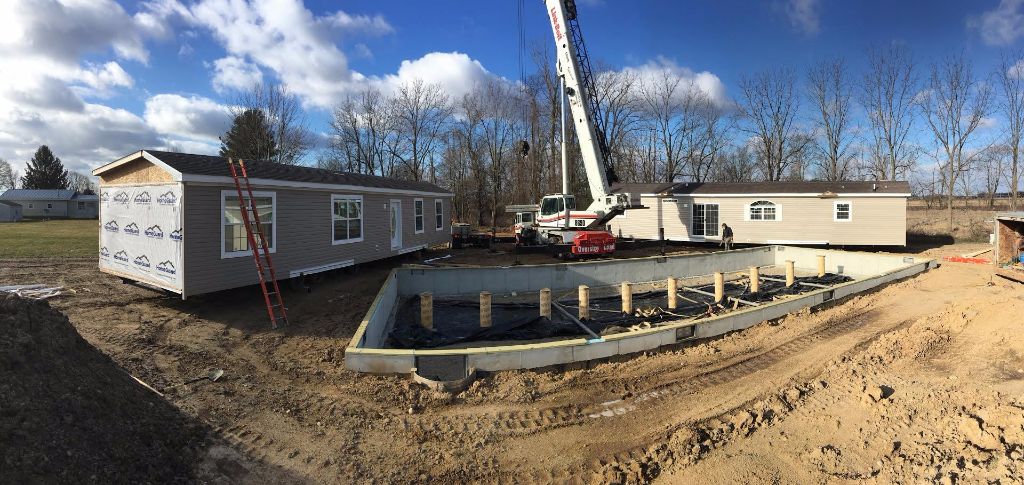
Rate incentives aren't limited to site-built homes. Manufactured and modular home buyers can access competitive financing through lenders that specialize in these home types. Loan structures depend on whether the home is titled as real or personal property and whether it sits on owned land or in a community.
FHA Title I, Freddie Mac CHOICEHome, and chattel loans are all worth comparing. The current mortgage rates for new construction change regularly, so check frequently as your purchase date approaches. Modular buyers should also know that construction loans for modular homes fund in stages before converting to a permanent mortgage. Reviewing new home construction loan rates alongside manufactured home loan interest rates from multiple lenders gives you a reliable benchmark before committing.
Related: How to Finance a Mobile or Manufactured Home
What to Check Before You Sign
Not every low-rate offer holds up under closer review. These four questions help you evaluate any builder financing deal.
-
Is the rate temporary or permanent? A 2/1 buydown resets in year three, so always budget at the full rate.
-
Does the total cost make sense? A discounted rate on an inflated price can cost more than a fair price at a slightly higher rate.
-
Can you use a different lender? You're not locked into the builder's preferred lender, and outside quotes often reveal better terms.
-
Which loan type applies? FHA, VA, and conventional loans carry different rates and requirements, so ask what the builder supports.
Related: Understanding Mobile Home Financing
Is Buying New Worth It Right Now?
Most forecasters expect 30-year fixed rates to hold around 6.1% through 2026, well below the near-7% highs of 2023. Buyers waiting for rates to drop below 5% may be waiting longer than expected, while prices keep rising in the meantime.
Builders currently offering buydowns have inventory to move, which gives buyers leverage that doesn't exist in a tight market. If you're financially ready and the home fits your situation, now is a reasonable time to act.
Ready to take the next step? Explore Home Nation's financing programs and connect with a specialist who can walk you through what's available.
Final Thoughts
New build interest rates do tend to run lower than what resale buyers pay, mostly because builders use rate buydowns to move homes without publicly cutting prices. The savings can be real, from a few hundred dollars a month to tens of thousands over the loan term.
What matters is understanding what you're getting: whether the rate is temporary or permanent, how the price compares to market value, and how the full deal stacks up. Go in with that clarity and you're in a much stronger position from day one.