
The term "dwelling unit" shows up constantly in zoning codes, mortgage paperwork, and property listings, but most buyers only learn what it means once a lender or building department uses it to reject or approve their plans. Knowing the difference between a single-family home, a manufactured home, and an accessory dwelling unit can change what you are allowed to build, how you finance it, and how it is taxed.
What Counts as a Dwelling Unit?
A dwelling unit generally means a space with its own entrance, kitchen, and bathroom, designed for one household to live independently. The U.S. Census Bureau's American Housing Survey uses this same basic standard to classify housing nationwide, whether a house, apartment, or manufactured home. Local zoning codes may add conditions, such as minimum square footage, so the exact definition can shift by location.
Single-Family Homes: Detached and Attached
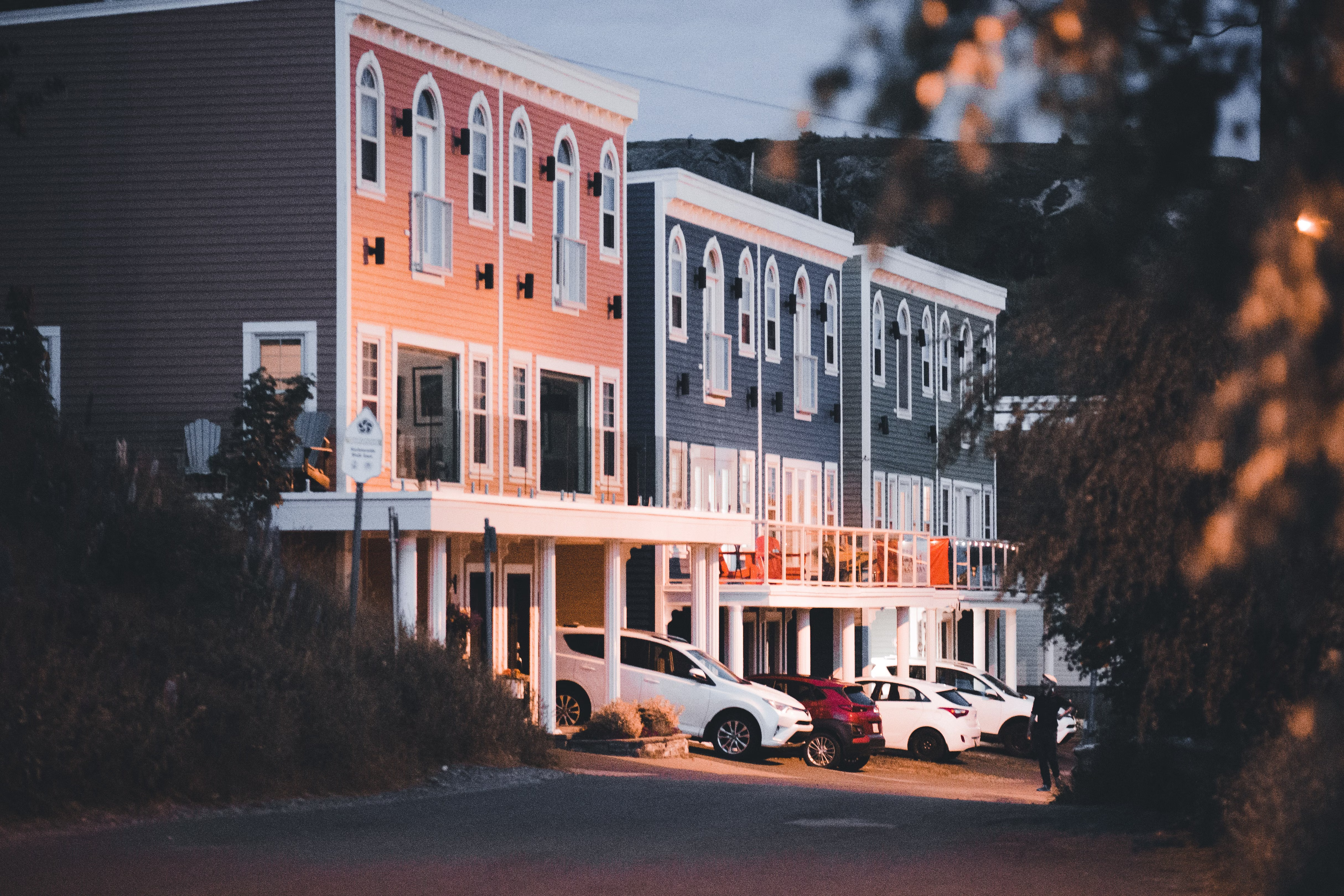
A single-family detached home stands alone on its own lot with no shared walls. A single-family attached home, like a townhouse or rowhouse, shares one or more walls with a neighboring unit but is still owned and taxed separately. Most residential zoning in the United States is built around this category, which is usually why it is the easiest type to finance and insure.
Manufactured and Mobile Homes
Manufactured homes are built entirely in a factory to a federal building code, known as the HUD Code, and transported to the site on a permanent steel chassis. According to HUD's Manufactured Housing Programs office, every manufactured home carries a red certification label confirming compliance with these federal construction and safety standards. The term "mobile home" technically refers only to homes built before June 1976, when the HUD Code took effect, though the two terms are still used interchangeably.
Modular Homes
Modular homes are also built in a factory, but to the same state and local building codes used for site-built construction, not the federal HUD Code. Because of that distinction, modular homes are generally financed and appraised more like traditional stick-built homes. Our guide to the difference between mobile and modular homes covers how these standards affect resale value and loan options.
Multi-Family Dwellings
Duplexes, triplexes, and fourplexes each contain two to four dwelling units within one structure. Apartment buildings and condominiums extend this further, sometimes housing dozens of units. Zoning classification usually shifts once a property crosses from a single unit to multiple units, which can change property tax treatment and available loan types.
What most people get wrong: Buyers often assume a duplex financed as a primary residence works the same as a fourplex, but lenders and appraisers generally treat one to four unit properties differently from five-plus unit properties, which HUD typically classifies as multifamily housing. Confirm the unit count and intended use with your lender before assuming a financing path carries over between property types.
Accessory Dwelling Units (ADUs)
An ADU is a smaller, independent living space on the same lot as a single-family home, whether a converted garage, a basement unit, or a detached backyard structure. HUD's guide to housing types for housing counselors describes ADUs as complete living spaces with their own kitchen and bathroom, separate from the main house. Depending on the state and city, ADUs may be a way to add rental income or house extended family without buying a second lot.
Tiny Homes and Park Models
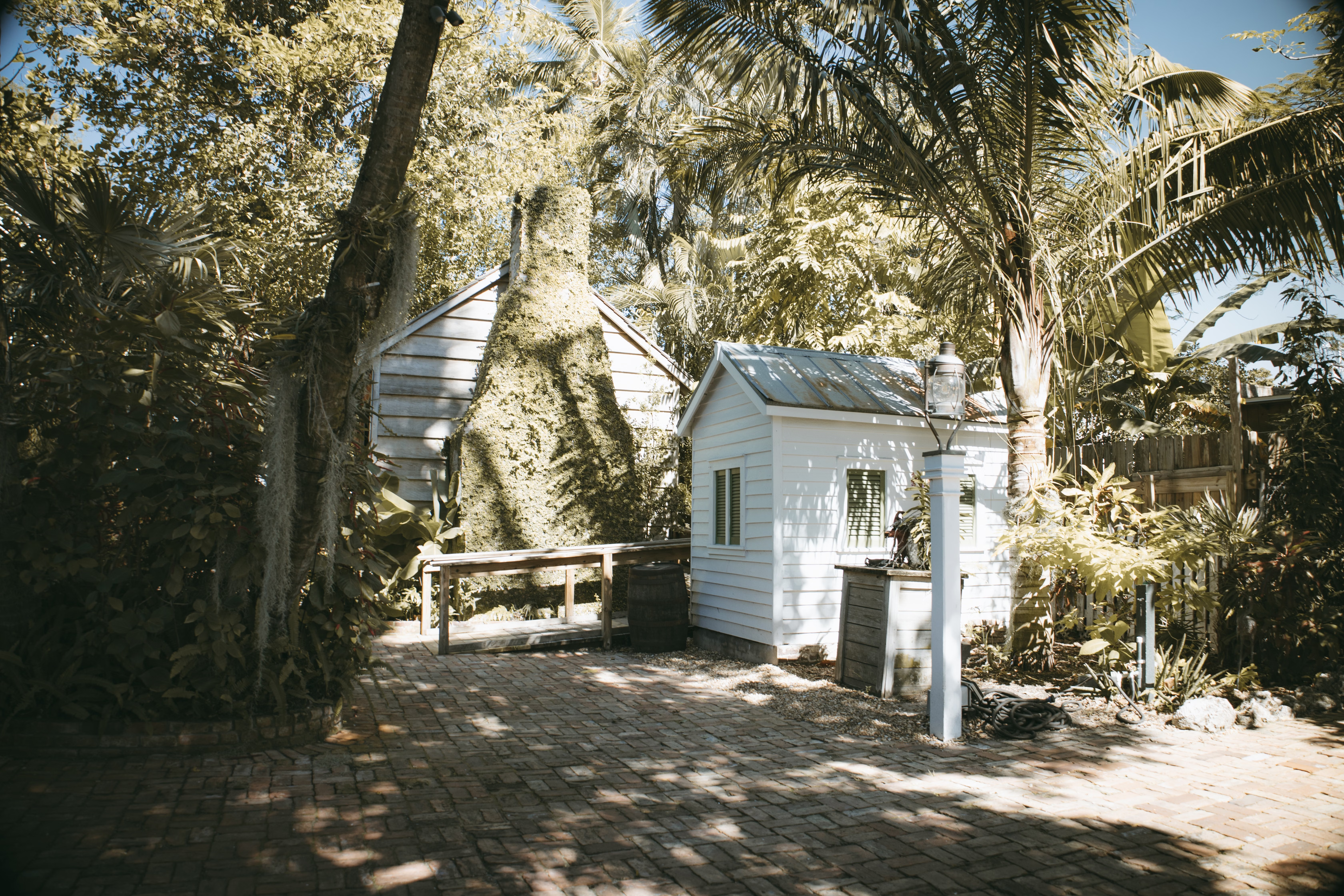
Tiny homes and park model homes are compact dwelling units, generally under 400 square feet, built on a foundation, a trailer, or as a factory-built park model. Whether these count as a permanent dwelling unit for zoning and financing depends heavily on local code and how the unit is titled, so confirm this category with your building department before committing to a plan.

Why the Type You Choose Affects Financing and Zoning
The dwelling unit category matters most at two points: getting a loan and getting a permit. Manufactured homes often qualify for chattel loans or specialized manufactured home mortgages, which can carry different terms than a conventional mortgage for a modular or stick-built home. On the zoning side, many jurisdictions still separate manufactured housing into its own category, while modular and stick-built homes generally fall under standard residential zoning. ADUs sit in their own regulatory lane, with some states now requiring cities to allow them by right, while others leave the decision to local zoning boards.
None of these categories are inherently better than another. A manufactured home can offer a lower upfront cost and faster build timeline, while a modular or stick-built home may offer more financing flexibility and broader zoning acceptance. The right fit depends on your budget, your land, and how the local building department classifies the structure you want.
How Home Nation Helps You Choose the Right Dwelling Type
Home Nation works with buyers across single-wide, double-wide, modular, and stick-built home categories, so you are not locked into one dwelling type before understanding the zoning and financing implications. Our team reviews your land, budget, and local requirements before recommending a path. Contact us to talk through which dwelling unit type fits your situation.
Frequently Asked Questions
Is a manufactured home the same as a mobile home? Not technically. A mobile home refers to units built before June 1976, before the HUD Code took effect. Homes built after that date meeting federal standards are correctly called manufactured homes, though the terms are often used interchangeably.
Can I add an ADU to any single-family lot? It depends on your local zoning code. Some states now require cities to permit ADUs on most single-family lots, while other areas still restrict them. Check with your local planning department first.
Do modular homes appreciate like site-built homes? Generally, yes, since modular homes are built to the same codes as stick-built homes and are typically financed and appraised the same way. Location and market conditions still play the largest role in appreciation regardless of construction method.
What is the difference between a duplex and a townhouse? A duplex is one structure divided into two dwelling units, often sharing a wall and sometimes shared ownership. A townhouse is typically one of several individually owned units in a row, each on its own small lot, sharing walls but not the same legal structure as a duplex.