

Choosing a mobile home involves more than comparing floorplans and finding a price that fits your budget. The dealer becomes an important point of contact throughout the purchase, so the experience can depend heavily on whether the company provides useful information and sets realistic expectations from the beginning.
Knowing how to choose a reliable mobile home dealer means looking beyond the homes on display and considering how the company handles the purchasing process. Buyers should have enough information to evaluate their options confidently before making a major financial commitment.
Start With a Dealer That Offers Clear Information
Before contacting a dealer, buyers should be able to find useful information about the homes the company carries and the areas it serves. Floorplans, home specifications, and other available details give buyers a starting point for deciding whether the dealer offers options worth exploring further.
The information doesn't need to answer every question before the first conversation, but it should help buyers understand what the company sells. When basic details remain difficult to find, buyers have less information to work with as they narrow their search.
Pay Attention to How the Dealer Answers Questions
As conversations begin, the quality of a dealer's communication becomes easier to evaluate through the answers buyers receive. A knowledgeable representative should explain unfamiliar parts of the purchasing process in straightforward language and respond directly when a buyer asks about a particular home or service.
Consistency matters as those conversations continue. Answers shouldn't change depending on who responds or how many times the buyer asks the question, and a representative shouldn't guess when another professional could provide an accurate answer. A dealer that communicates its own responsibilities clearly gives buyers a better idea of what to expect as the purchase advances.
Look Closely at the Homes and Floorplans Available
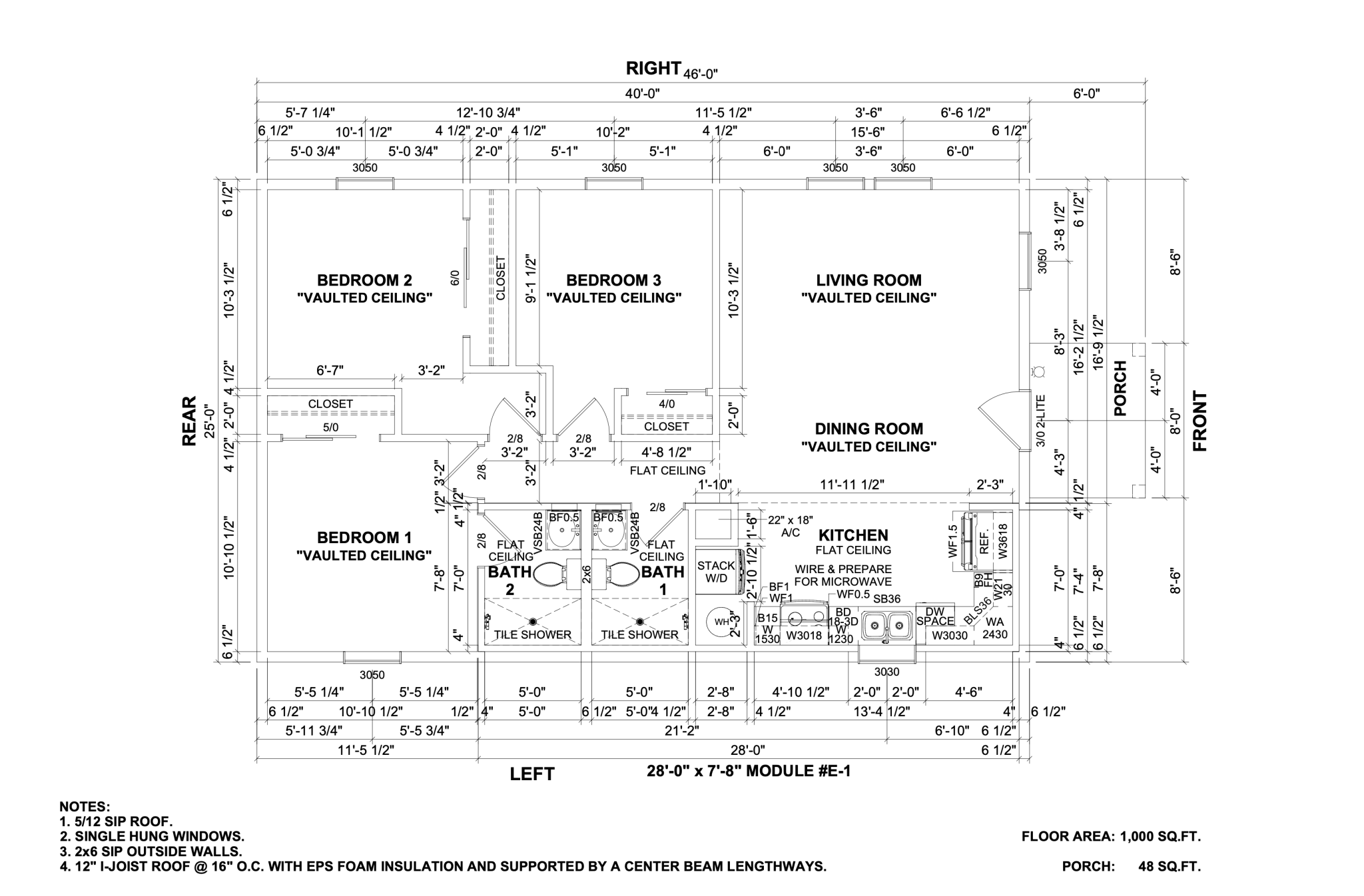
A dealer's inventory should provide enough variety for buyers to compare homes according to their household needs without steering everyone toward the same option. Beyond bedroom count and size, the arrangement of the rooms can determine whether a floorplan works well for everyone who lives there.
Comparing several designs also helps buyers recognize meaningful differences between homes with similar square footage. One layout may provide greater bedroom separation, while another devotes more room to shared living areas. Examining those distinctions makes the search more useful than simply choosing the largest home available within the budget.
Ask What the Price Actually Includes
Once buyers identify a home they like, the advertised price needs additional context before it becomes useful for comparison. Ask the dealer about what the listed amount covers and whether services associated with getting the home to the property require separate expenses.
Buyers can then compare homes according to the actual scope they are considering, not an assumption that every dealer includes the same services in an advertised figure. Property-specific circumstances may also affect the final cost, so a dealer may not be able to provide every number immediately. What matters is whether the representative identifies those variables clearly enough for the buyer to know which expenses still require confirmation.
Find Out How Delivery and Installation Work
After choosing a home, buyers still need to know how it will get from its current location or factory to the property. Dealers may provide different levels of support during this stage, making it important to establish who coordinates delivery and where the dealer's responsibilities end.
Because the level of service can differ, buyers should confirm the scope attached to their specific purchase before making plans for delivery. Knowing the process beforehand also gives buyers time to address responsibilities that belong to them. The dealer should be able to explain the next step within its scope and identify when the buyer needs another contractor or professional.
Check the Dealer's Experience and Customer History
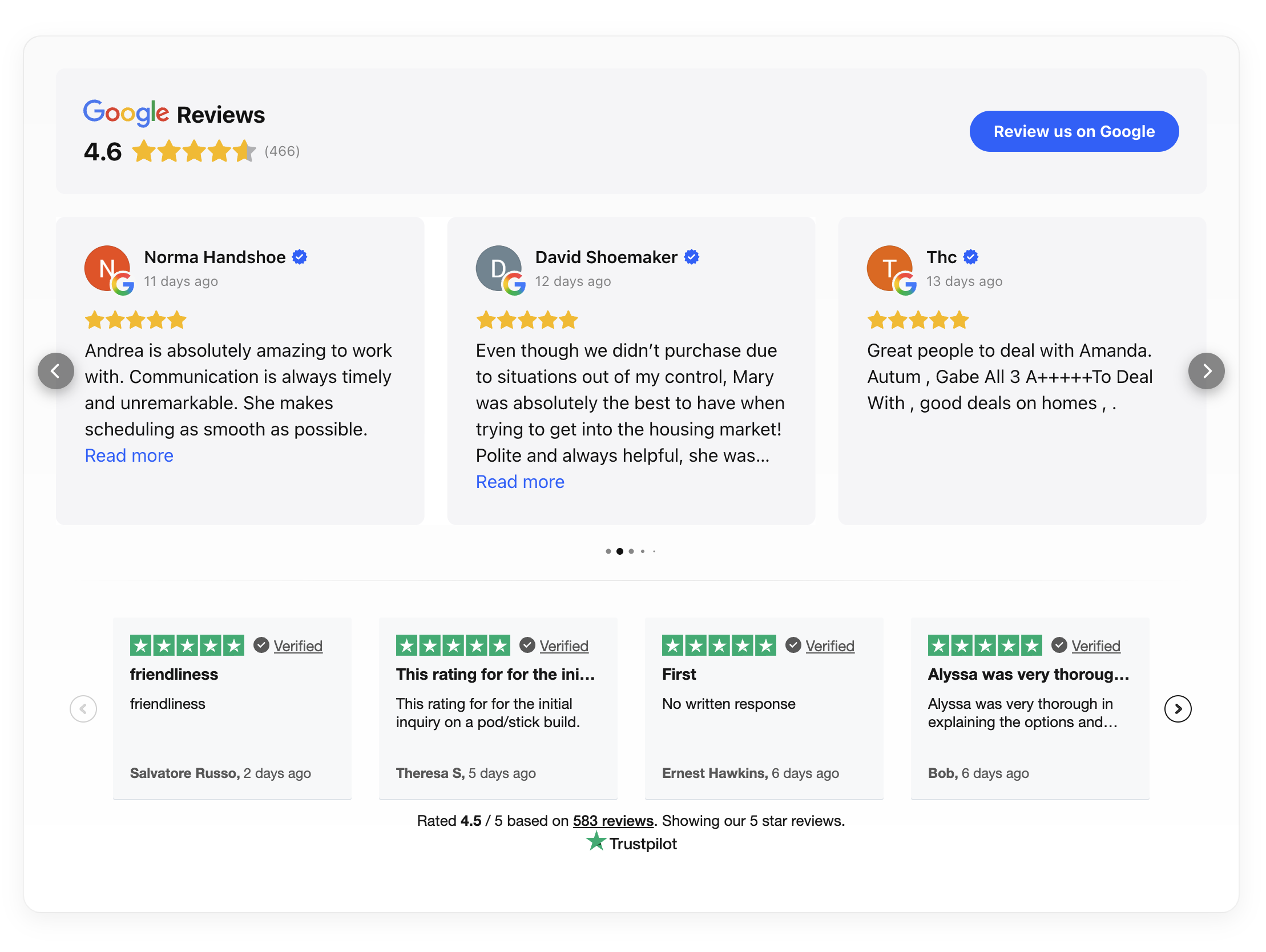
When buyers need another way to evaluate a dealer, the company's history can provide context that isn't available from its inventory alone. An established business has a track record that prospective customers can examine, giving them more information about how the company has operated beyond the current sales conversation.
Customer testimonials can add another perspective when they describe specific experiences with the company. Comments about how representatives handled questions or supported the purchase provide more useful insight than relying exclusively on a general rating.
Notice Whether the Dealer Respects Your Budget
A productive sales conversation should begin with what the buyer can realistically spend, not with how far a salesperson can push that number. Once buyers establish their budget, the dealer should help them focus on homes that fit within it and explain when a requested feature could substantially change the purchase.
Keeping that limit visible matters because the home itself may not represent every expense associated with the project. Buyers who preserve room in their budget can approach other property-related needs without depending on the dealer to predict costs that fall outside its scope.
The conversation should ultimately help buyers narrow their choices. When a representative consistently redirects the discussion toward homes outside the stated budget, buyers have reason to question whether the recommendations reflect their needs.
Watch for Pressure and Other Warning Signs
Sales behavior can reveal problems that aren't obvious from a dealer's website or available inventory. Buyers should have enough opportunity to ask questions and review important information without feeling pushed to commit before they're comfortable with the decision.
Pay attention when a representative avoids direct questions or creates unnecessary urgency around a purchase. Conflicting information also deserves clarification before the transaction moves forward, particularly when it concerns costs or responsibilities that could affect the buyer later.
Walking away remains an option when those concerns don't receive satisfactory answers. A mobile home represents a significant purchase, and buyers don't need to ignore warning signs simply because they've already spent time considering a particular dealer.
Review the Purchase Terms Before You Commit
Before signing an agreement or making a required payment, buyers should compare the written terms with the information they relied on during the sales process. The paperwork should accurately reflect the home being purchased and the services the dealer has agreed to provide.
Any difference between a previous conversation and the written agreement deserves attention before signing. Ask the dealer to explain unclear language and resolve discrepancies while there is still an opportunity to address them.
Reviewing the documents also gives buyers one final chance to confirm their responsibilities. Taking that time can prevent assumptions from carrying into later stages of the purchase, when correcting a misunderstanding may become more difficult.
Choose a Dealer You Can Work With Confidently
Finding a reliable mobile home dealer requires buyers to evaluate both the housing options available and the way the company handles the purchase. Clear information should lead naturally into productive conversations, followed by transparent pricing expectations and a defined path toward delivery.
For buyers comparing mobile homes for sale in Michigan, Home Nation offers new and used manufactured homes alongside modular and prefab options. Comparing available floorplans with the support included throughout the purchasing process can help buyers determine whether Home Nation fits their housing needs and expectations.