
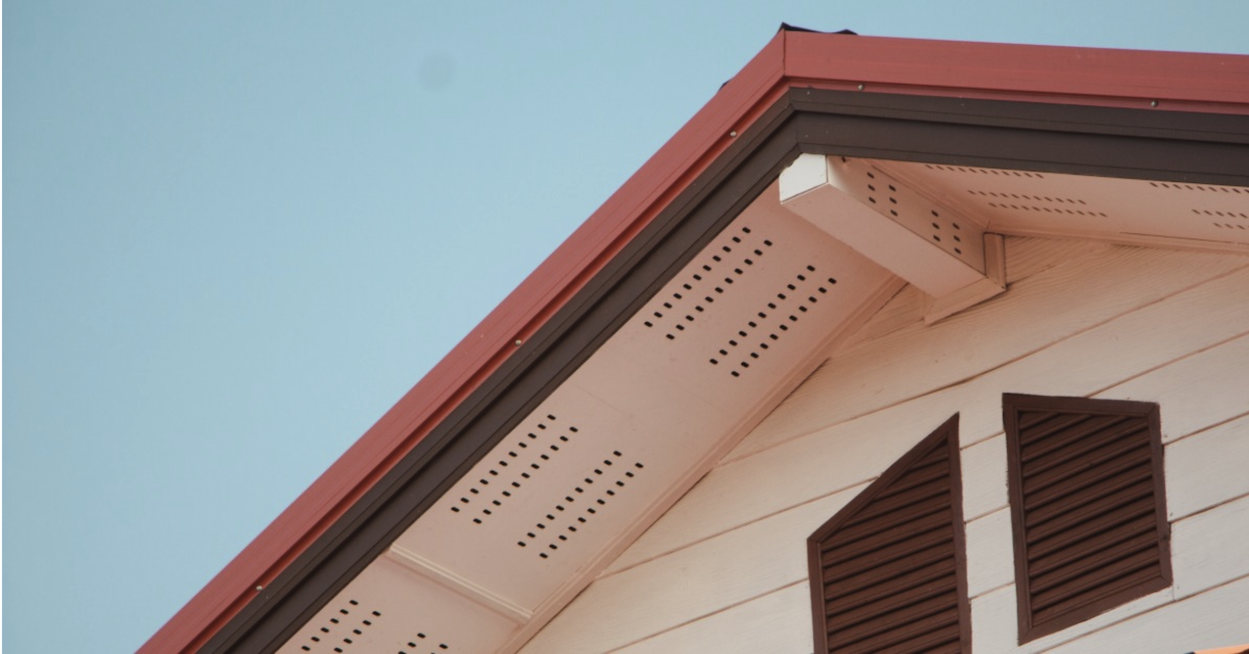
Most buyers compare layouts and interior finishes, but the roof ultimately determines how well the home withstands years of exposure. Continuous exposure to heat, rainfall, and wind places stress on the structure every day, which means the roof directly influences repair frequency and long-term ownership costs. Using the wrong material or design allows minor issues to return even after repairs.
Evaluating best roof types for long-term durability in modular homes requires a shift in focus from appearance to performance. A roofing system must withstand environmental pressure, maintain structural consistency, and limit the need for ongoing intervention. Buyers who approach roofing with that mindset tend to select options that remain stable.
Roof Design Determines How the Structure Handles Water and Debris
Pitch and shape control how water moves across the surface, which affects how quickly materials begin to break down. A roof that directs water away efficiently reduces the time moisture stays in contact with the surface, lowering the risk of gradual deterioration that may not appear until damage becomes visible.
Flatter designs allow water to remain longer after storms, which increases exposure and creates weak points. Steeper roofs reduce that contact by moving water off the surface quickly, which limits stress during repeated weather cycles. Buyers who account for drainage patterns early avoid long-term issues tied to poor runoff.
Asphalt Shingles Prioritize Repair Flexibility
Asphalt shingles remain a common choice because they allow localized repairs without requiring full replacement. Roofers can remove and replace damaged sections without disturbing the surrounding structure, keeping small problems contained.
That flexibility simplifies long-term ownership for many homeowners. While other materials may offer extended lifespan under ideal conditions, shingles appeal to buyers who prefer a system that allows quick corrections without major disruption.
Metal Roofing Maintains Structural Integrity Under Stress
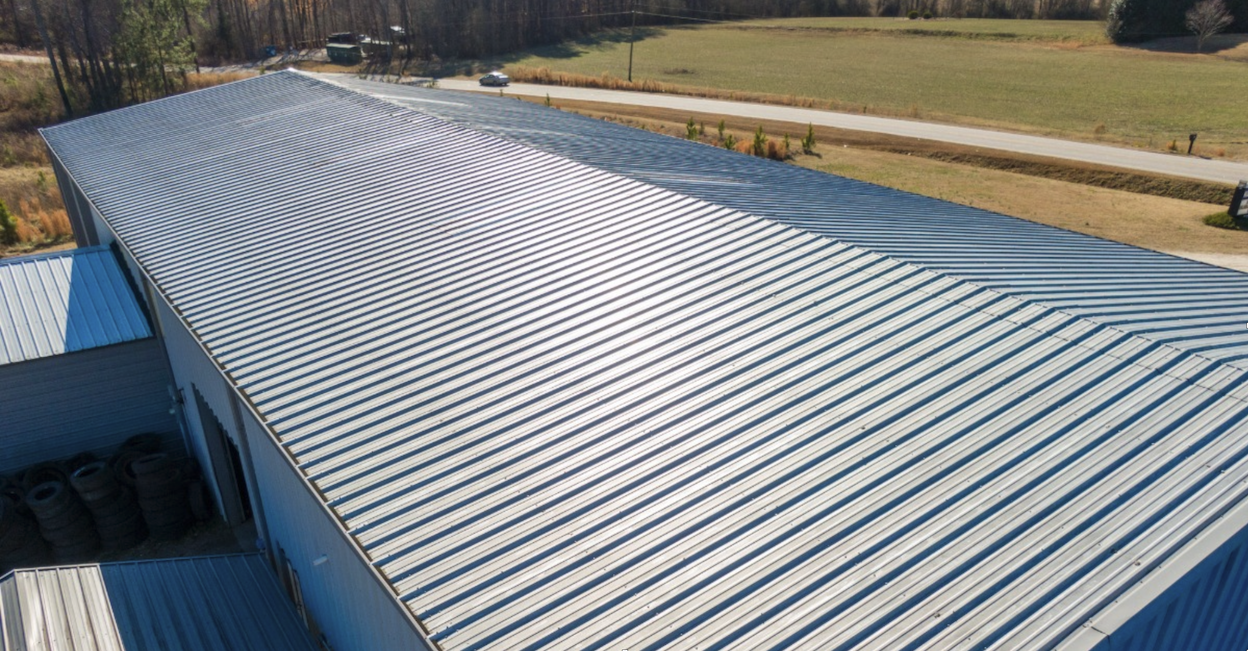
In environments where heat and wind place consistent pressure on roofing systems, metal holds its form without gradual weakening. Instead of breaking down, it resists the types of damage that affect more traditional materials, which reduces the need for repeated repairs.
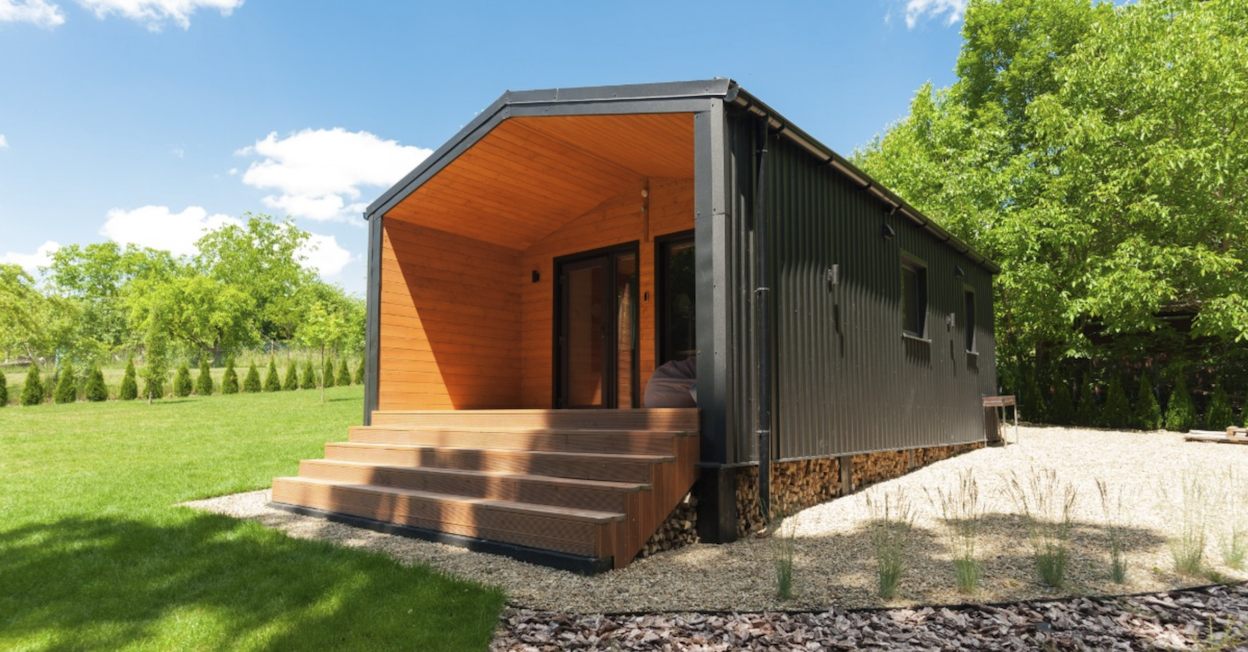
This stability changes how homeowners approach maintenance. Longer periods pass without intervention, which creates a more predictable ownership experience. The reflective surface also limits heat absorption, which can reduce indoor temperature fluctuations in regions where high temperatures persist.
Tile Roofing Supports Long-Term Stability With Proper Planning
Tile roofing delivers durability that extends beyond many standard materials when the structure supports its weight. Once installed correctly, it can maintain its condition for years without requiring frequent adjustments or repairs.
But that performance comes with a requirement for early planning. The home must support the load, and installation must account for long-term structural impact. Buyers who commit to tiles typically view it as a long-term solution.
Climate Conditions Shape Material Performance
Roofing systems respond directly to the environment, which means material selection must reflect local conditions. Heat, moisture, and wind each create different types of stress that influence how quickly materials wear down and how frequently repairs become necessary.
Heat, Moisture, and Wind Create Different Stress Patterns
In high-temperature regions, materials that absorb heat tend to degrade faster, which can shorten the lifespan of certain roofing systems. Areas with consistent rainfall place greater pressure on drainage performance, especially when water accumulates in low points or along seams. Wind exposure introduces another layer of strain, particularly in open areas where structures face fewer natural barriers.
Elevation and seasonal temperature swings can further affect durability. Rapid shifts between hot and cool conditions may cause materials to expand and contract, which can weaken connections. Buyers who evaluate these factors together tend to choose roofing systems that perform more consistently under long-term environmental stress.
Roof Ventilation Affects Long-Term Performance
Roof performance depends on more than surface materials, since airflow beneath the roof influences how heat and moisture move through the structure. Poor attic ventilation traps heat and increases stress on roofing components. That stress can accelerate material wear, especially in climates where temperatures remain high for extended periods.
Moisture creates a separate concern. Without proper airflow, condensation can develop beneath the roof, which may weaken structural elements and reduce durability. A well-ventilated system allows heat and moisture to escape, which supports more consistent performance and reduces the likelihood of hidden damage developing beneath the surface.
Maintenance Patterns Influence Long-Term Costs
Every roofing system requires some level of maintenance, though the frequency depends on material and environmental exposure. Small issues develop gradually, which makes early detection more effective than waiting until damage becomes visible.
Viewing maintenance as part of the total cost changes how buyers evaluate roofing options. A system that requires less oversight may justify a higher initial investment, while materials that demand ongoing attention can create recurring expenses that accumulate.
Installation Quality Determines Whether Materials Perform as Expected
Even durable materials fail when installation lacks precision. Alignment, sealing, and structural support all affect how the roof handles environmental stress, which means early mistakes can lead to long-term performance issues that are difficult to correct.
Experienced installers account for these variables by securing materials correctly and creating proper drainage paths. That attention to detail allows the roofing system to function as intended and reach its expected lifespan without avoidable failures. Poor installation can also create hidden vulnerabilities, such as uneven stress distribution or weak sealing points, which may not become visible until damage has already spread beneath the surface.
Roofing Choices Affect Interior Comfort
The roof influences how the home responds to temperature and moisture, which affects comfort inside the structure. Materials that reflect heat can limit temperature buildup, while designs that manage airflow reduce moisture accumulation.
These effects become more noticeable in climates that place consistent pressure on the home. A roofing system that works with environmental conditions can reduce strain on other systems while creating a more stable indoor environment.
Choosing a Roof That Holds Up
Long-term durability depends on how well materials, design, and installation align with real-world conditions. Buyers who evaluate roofing systems based on performance tend to avoid repeated repairs and unexpected maintenance.
Understanding best roof types for long-term durability in modular homes allows buyers to make informed decisions before committing to a home. Those researching modular homes for sale in Arizona should consider how roofing systems perform under local conditions and how those choices influence long-term ownership. Home Nation offers modular, manufactured, single wide, and double wide homes designed for different lifestyles, giving buyers options that support both durability and long-term reliability.