By Home Nation Published July 19th, 2025

Buying a mobile home isn’t just about picking the right size or color. It’s about long-term comfort, investment value, and avoiding big headaches down the road. Whether you’re purchasing one home or considering a few for your mobile home park, here’s a practical checklist to guide you.
If you're looking to expand your mobile home park or get started without the hassle of becoming a licensed dealer, Home Nation can make the process easier. We provide competitive factory-direct pricing and handle logistics, so you don’t have to navigate licensing, insurance, or bonding requirements.
1. New vs. Used Mobile Home
Start by deciding whether you want a brand-new mobile home or a used one. New homes come with warranties and generally fewer surprises when it comes to maintenance and repairs. Used homes can seem like a great deal upfront, but unexpected issues like plumbing leaks or electrical problems might show up later. Make sure you’re comparing not just price, but the total cost and time involved over the next few years.
Take the time to walk through each option with a detailed checklist in hand. Talk to the seller, ask about recent upgrades, and request maintenance records if possible. Whether you're buying for yourself or for a mobile home park, it's worth doing your homework to avoid costly fixes later on.
Related: Buyers guide to a USED mobile home
2. Check the HUD Tag and Serial Number
Every manufactured home built after 1976 needs to meet HUD standards. Make sure the red HUD tag is intact and the serial number matches all paperwork. Without it, you could run into financing, insurance, or resale issues.
This step is especially important when buying from a private seller or dealing with older units. Verifying the HUD tag and serial number protects you from buying a home that could be ineligible for upgrades, resale, or even relocation. If either is missing or tampered with, walk away or request proper documentation.
3. Structural Condition
When inspecting a mobile home, pay attention to signs of water damage, sagging floors, roof leaks, and soft spots underfoot. These issues can indicate deeper structural problems that may not be obvious at first glance.
As you move through the home, check behind and under sinks, inside cabinets, and along ceilings for stains or warping. If the home is pre-owned, it’s a smart move to bring in a contractor or inspector who knows what to look for and can give you a clear picture of what you're buying.
These types of structural issues aren’t just cosmetic - they can affect safety, resale value, and your wallet. Damage to the subfloor or framing might require costly repairs and signal deeper problems with moisture or poor construction. Taking the time to do a thorough walkthrough with a professional could save you from major expenses later.
4. Location and Zoning
Even the perfect home won’t work if the land’s zoning is off. Make sure you can legally place a mobile home on your property or that the mobile home park allows your type of unit. Zoning issues can delay or derail your plans.
Zoning laws vary widely from one area to another, so it's worth checking with your local planning department before making a commitment. Some neighborhoods might have restrictions on home types, lot sizes, or utility connections that directly impact your setup. If you skip this step, you could end up with a home you legally can’t use.

Buying in a Mobile Home Park vs. Private Land
Choosing between placing your mobile home in a park or on private land is a major decision that affects costs, financing, and long-term flexibility. Buying a home in a park usually means lower upfront costs, simpler setup, and a built-in sense of community - but you may be subject to rules, rent hikes, and limited space. Placing your home on private land gives you more freedom, the potential for land ownership equity, and fewer restrictions, though it requires navigating zoning, utility connections, and higher upfront investment.
Make sure to compare HOA fees, privacy, lease terms, and future resale value as part of your land choice. Make sure you can legally place a mobile home on your property or that the mobile home park allows your type of unit. Zoning issues can delay or derail your plans.
Zoning laws vary widely from one area to another, so it's worth checking with your local planning department before making a commitment. Some neighborhoods might have restrictions on home types, lot sizes, or utility connections that directly impact your setup. If you skip this step, you could end up with a home you legally can’t use.
Related: What are the advantages of buying a mobile home over a regular home?
5. Mobile Home Park Rules and Lot Rent
Planning to live in a mobile home park? Review the rules and lot rent structure. Some parks have strict regulations about siding, skirting, or landscaping. Make sure the monthly rent is sustainable and includes basic utilities or fees. This could also help you weigh whether to rent mobile home or buy it outright.
It's also a good idea to ask about any community fees, shared maintenance costs, or restrictions that may not be obvious upfront. Some parks charge for services like lawn care, snow removal, or trash collection, which can add up over time. You’ll want to understand the full cost of living in the park, not just the rent.
6. Factory Direct vs. Dealer Purchase
Here’s where many mobile home park owners get stuck. Ordering fewer than 10 homes? Skip the headache of getting a dealer license. Factories won’t sell to you directly without it. That’s where we come in - we offer factory direct pricing without the license hassle.
Instead of going through the process of getting insured, bonded, and fingerprinted just to become a dealer, you can order straight from Home Nation and still get bulk discounts. We handle the logistics - you get the homes.
For many park owners who are looking to add just a few units, this option saves time, money, and unnecessary paperwork. There's no need to invest in a display lot or spend weeks navigating licensing exams and insurance requirements. Our factory-direct solution makes mobile home acquisition simple, efficient, and cost-effective.
7. Insulation and Energy Efficiency
Ask about the insulation rating, window quality, and HVAC setup. A home that’s cheap now could cost you more in heating and cooling if it isn’t built for your climate. Make sure the home is ready for hot summers or freezing winters - whichever applies.
Many newer mobile homes come with better insulation standards, double-pane windows, and energy-efficient systems that reduce utility costs over time. If you're buying used, check for drafty spots, older HVAC units, or signs of poor sealing around windows and doors.
These small issues can snowball into higher monthly bills, especially in extreme weather. When in doubt, it’s worth having an expert walk through the home with you to confirm its energy performance.

8. Plumbing and Electrical Systems
Check the plumbing for any leaks, unusual smells, or rusted fixtures. Confirm that outlets and light switches work. In older homes, make sure the wiring isn’t outdated aluminum, which can be a fire hazard.
It’s also wise to test the water pressure, run multiple faucets at once, and ask if the plumbing has been updated or replaced. Electrical systems should be grounded and up to current code, especially if the home has had DIY renovations. Substandard or outdated systems aren’t just an inconvenience - they could create safety issues and be expensive to fix.
9. Compare Mobile vs. Modular Homes
Know what you’re buying. A mobile home is built on a steel frame and moved to the site. A modular home is built in sections and assembled on a permanent foundation. Both are prefab, but the setup, financing, and permits vary.
The key differences between the two aren’t always visible at first glance, but they matter when it comes to permits, zoning, and financing options. Modular homes are typically treated more like traditional site-built homes, which can open up broader lending and insurance options.
Mobile homes, on the other hand, might come with fewer location constraints and are often easier to move or reposition. Knowing how each type fits into your budget, timeline, and land situation will help you make the right call.
It also helps to understand the broader terminology used across the industry. While the term "mobile home" is often used interchangeably with "manufactured home," today’s manufactured homes are HUD-approved structures built off-site and transported to their final location.
Then you have modular homes, which are also built off-site but assembled in sections on a permanent foundation, and park homes, which are smaller, mobility-friendly options often used as seasonal or vacation residences. Getting familiar with these categories will help you ask better questions and narrow down the right option for your goals.
10. Understand Total Costs
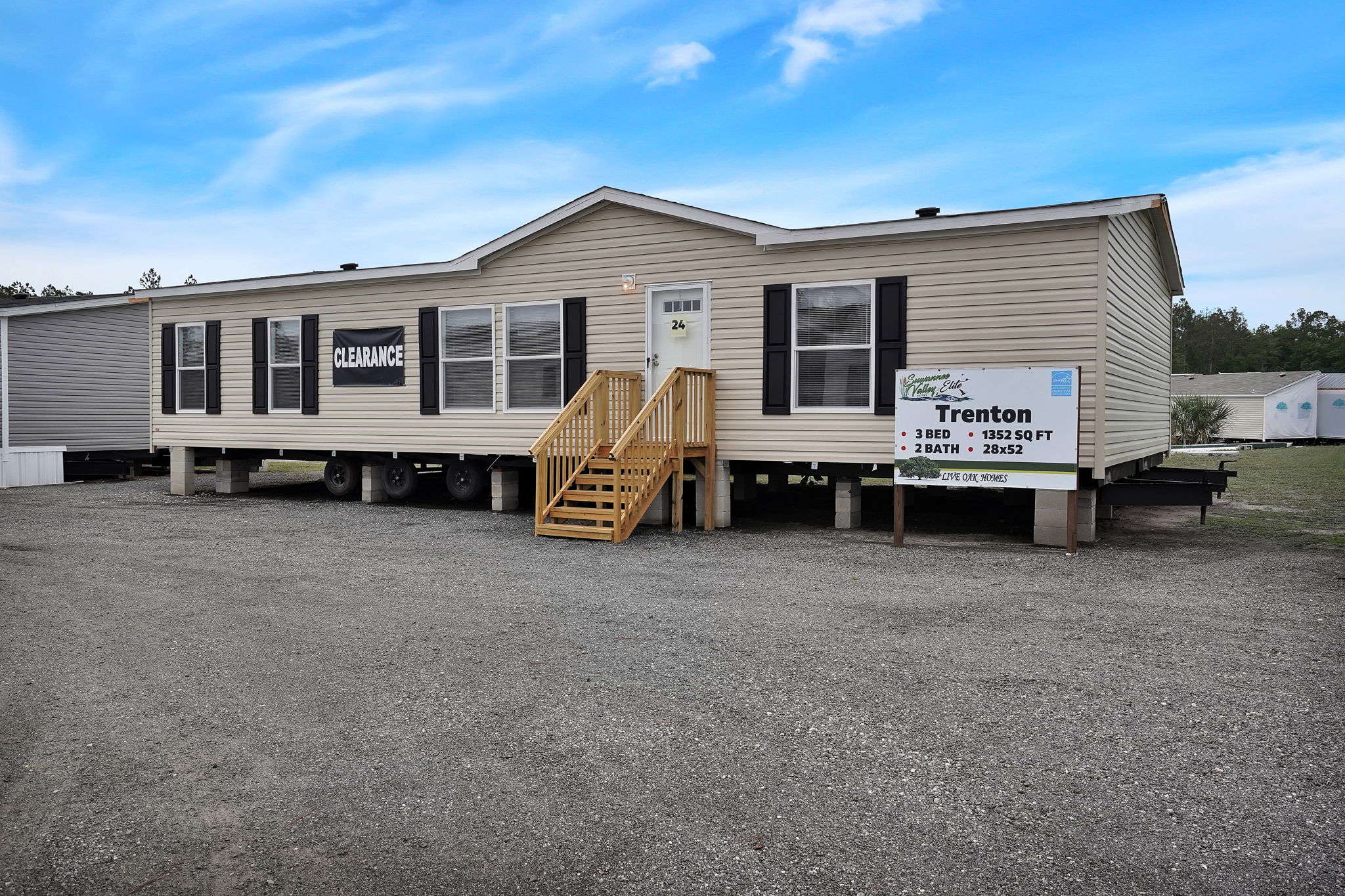
Beyond the purchase price, factor in transport, setup, permits, insurance, and possible upgrades. Speaking of which, shopping for mobile home insurance ahead of time can help you estimate your real monthly costs.
Budgeting for Upkeep vs. Value
Also, if you're still weighing your options, this breakdown of the pros and cons of buying a mobile home might help clarify things. It highlights the differences between affordability and long-term value, especially if you're trying to balance initial costs with future upkeep.
You'll get a better sense of how mobile homes compare to traditional options, including what to expect in terms of depreciation, insurance, and utility bills. This kind of insight can help you decide whether a mobile home fits your lifestyle and financial plans.
Questions to Ask Before Buying
If you’re still early in the process, this guide covers essential questions to ask when buying a mobile home so you feel more confident going in. The questions range from location-specific concerns to financing options, setup costs, and what kind of ownership makes the most sense for your situation.
Thinking through these points ahead of time can help you avoid common mistakes and feel more prepared when it’s time to sign. It’s not just about picking a floorplan - it’s about making a smart, informed decision that works for the long run. If you're feeling stuck or want a second opinion, connect with Home Nation for a no-pressure conversation.
Final Thoughts
Buying a mobile home isn’t something you rush. Whether you’re looking for a personal residence or stocking a small park, it’s about making smart decisions that save you time, money, and stress later on. This checklist is a starting point - not just for what to inspect, but how to think about your purchase overall.