
Living in a rural area can offer more room and flexibility in how you use your property, but finding an affordable home requires looking beyond its purchase price. The land itself can influence which housing options make sense, especially when delivery access or utilities still need attention.
Comparing the best affordable housing options for rural living gives buyers a clearer method to weigh different construction factors against their property and budget. Manufactured homes, modular construction, and smaller prefab designs each offer a different path to rural homeownership, making it useful to understand where each option fits before choosing one.
Manufactured Homes Offer a Practical Starting Point
Manufactured homes give rural buyers an opportunity to purchase a home that crews construct primarily in a factory. After production, the home travels to its destination for installation, reducing the amount of home construction that needs to occur outdoors on the rural site.
The property still requires preparation before delivery, and those needs can vary from one parcel to another. Buyers should determine whether the site can accommodate the home they want, and what work must happen before installation begins.
Single-Wide Homes Can Make Efficient Use of Space
For buyers who don't need an expansive floorplan, a single-wide manufactured home offers a compact approach to rural housing. The narrower footprint can work well for smaller households or people who prefer to reserve more of their property for use outside the home.
Rather than judging these homes by square footage alone, buyers can compare how individual layouts use the available space. Room proportions and storage placement can make one floorplan better suited to everyday life than another, even when the homes have similar dimensions.
Double-Wide Homes Provide More Interior Room
Households that need additional space can consider a double-wide while staying within the manufactured housing category. Its wider configuration can provide larger common areas and greater separation between different parts of the home.

For buyers planning to remain on their rural property for years, that extra room can accommodate changes in how the household uses the home. An additional bedroom might eventually serve as guest space or an office, making the floorplan useful beyond immediate needs. Buyers should consider whether the planned site provides adequate room for delivery and installation before settling on a particular model.
Modular Homes Bring Factory Construction to Rural Properties
Modular homes offer another factory-built approach, although they follow a different construction process from manufactured housing. Crews build sections of the home in a factory before transporting the modules to the property, where they assemble them on a permanent foundation.
Because much of the construction occurs away from the property, rural buyers don't need every stage of the home build to take place outdoors at their site. Contractors still need to prepare the land and foundation before the modules arrive, making coordination an important part of the project.
Smaller Prefab Homes Can Match a Simpler Lifestyle
A smaller prefab home may suit buyers who deliberately want to limit their housing footprint without giving up the spaces they use most. For smaller households, a compact design can provide enough everyday living space while keeping the home from becoming larger than their needs require.
Keeping the footprint modest may also leave buyers with more flexibility when evaluating rural properties. A smaller home can fit sites where a larger design would consume more of the usable building area, giving buyers another practical option as they compare homes with the land available
The Property Can Change Which Option Makes Sense
After narrowing the housing choices, buyers can use the characteristics of their land to determine which options remain practical. Lot dimensions and terrain can affect where a home fits, while the route into the property may influence whether crews can deliver a manufactured home or individual modular sections.
Rural parcels also differ in the amount of preparation they require before a home arrives. Depending on existing conditions, buyers may need to prepare the building area or establish suitable access before delivery. Evaluating these physical limitations early can prevent buyers from choosing a home that creates unnecessary complications at the property.
Utility Availability Belongs in the Housing Decision
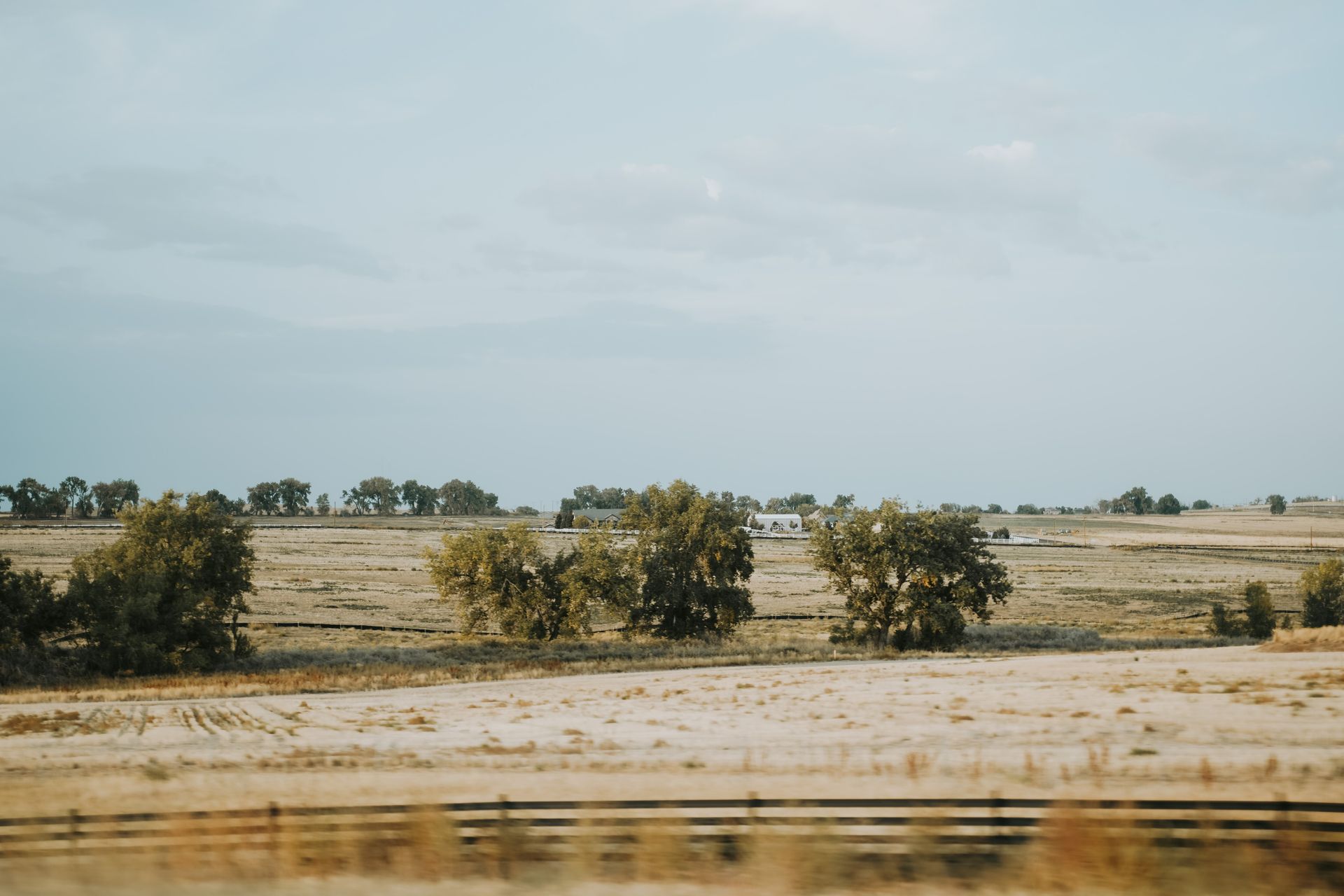
Moving beyond established neighborhoods can change how a property receives basic residential services. Some rural parcels may not have utility connections ready at the future home site, so buyers should determine what is already available before finalizing their housing plans.
Water and wastewater arrangements can depend on the location and applicable requirements. Electrical service may require additional coordination as well, particularly when the planned home site sits farther from existing infrastructure.
Investigating these needs while evaluating the property gives buyers a better understanding of what must happen before occupancy. It also prevents utility planning from becoming an afterthought once the home purchase has already moved forward.
Compare Total Project Needs, Not Just Home Prices
An advertised price can help buyers begin comparing homes, but rural homeownership may involve expenses beyond the structure itself. Delivery or site preparation can affect the project depending on the home and property involved.
Looking at the broader project makes comparisons between housing types more useful. A lower-priced home may preserve more of the budget for necessary property work, while another option could warrant greater spending because it better supports the buyer's long-term plans.
Before committing to a home, buyers can separate known expenses from costs that still require estimates or professional evaluation. Maintaining some flexibility in the budget can make it easier to accommodate property-specific needs without assuming the home's price represents the entire project.
Match the Home to Your Plans for Rural Living
The way buyers expect to use their rural property can distinguish between otherwise suitable housing options. Someone who spends considerable time outdoors may prioritize a different interior layout from a buyer who works from home and needs dedicated workspace.
Approaching the decision through everyday use keeps affordability connected to long-term value. Instead of paying for space or features they don't need, buyers can direct their housing budget toward a home that supports the life they expect to build on the property.
Find an Affordable Home That Fits Your Rural Plans
Choosing among the best affordable housing options for rural living becomes easier when buyers consider the home and property as parts of the same project. Manufactured homes offer several approaches to interior space, while modular and smaller prefab options provide alternatives for buyers with different construction or lifestyle priorities.
For buyers exploring manufactured homes for sale in Colorado, Home Nation offers factory-built home options in a range of floorplans. Comparing those choices against your budget and plans for the property can help you find a home that fits the way you want to live.