

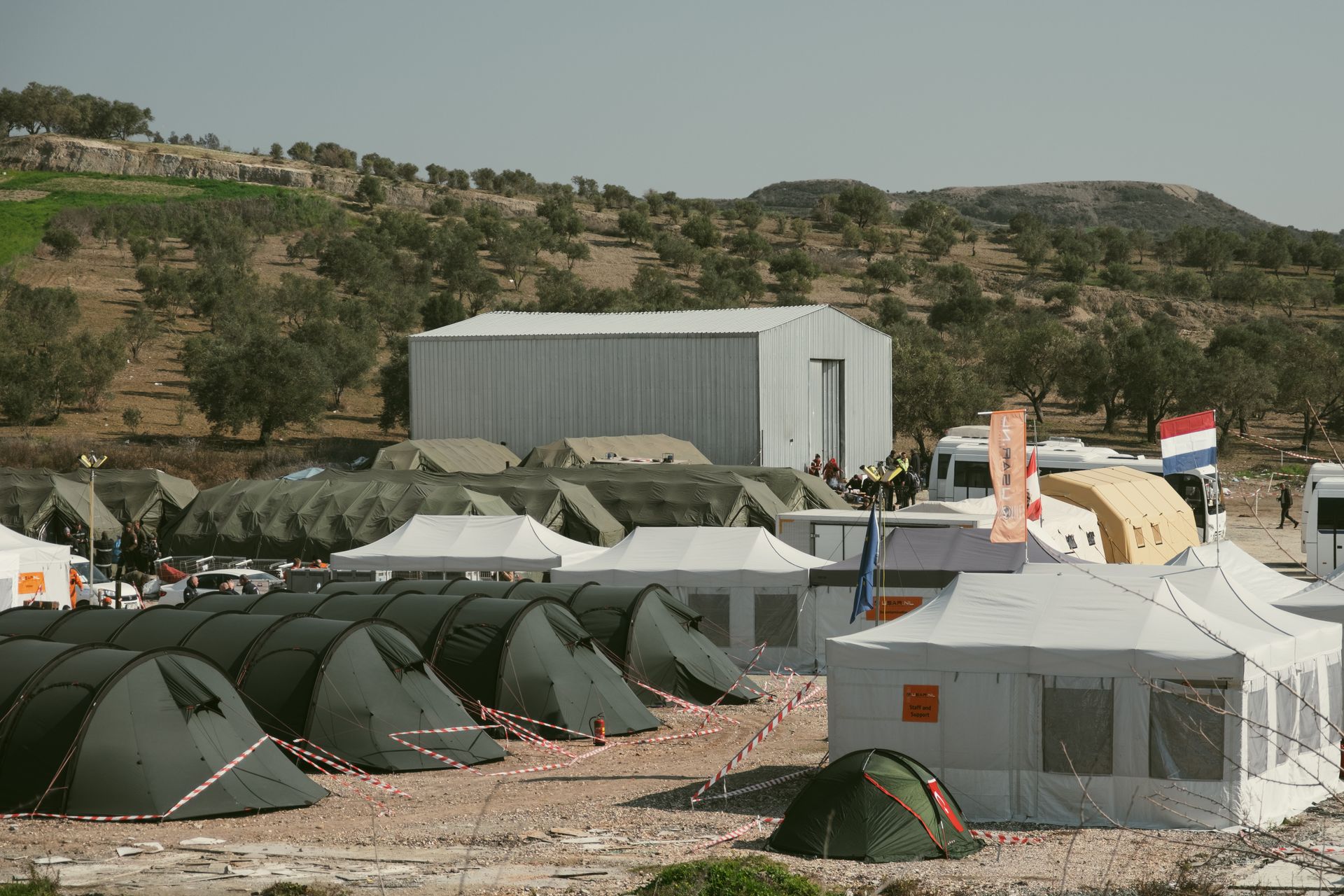
When affordable housing is hard to find near a jobsite, it can quickly become an employer’s concern too.
A company may have the land, funding, contracts, and equipment for a major project but still struggle to recruit and keep workers if there is not enough housing nearby.
Manufactured homes give employers another option. They can provide comfortable housing close to the jobsite, work for individuals or shared living, and be added as workforce needs grow. For temporary or long-term operations, they can offer more flexibility than many traditional housing arrangements.
What Is Workforce Housing?
Workforce housing refers to housing for people who work in or near a particular community. In this article, it means housing that an employer, contractor, developer, or project operator provides or helps arrange for employees.
The need may be temporary during construction, seasonal work, disaster recovery, or a facility expansion. It can also be long-term for workers at factories, hospitals, resorts, mines, utilities, data centers, and other permanent operations.
Although “mobile home” is still commonly used, homes built after June 15, 1976, are officially known as manufactured homes and are built to federal Manufactured Home Construction and Safety Standards.
Why Housing Can Become Part of the Project
In many communities, workers can find their own apartments, houses, or hotel rooms. But that becomes more difficult in rural areas, fast-growing regions, seasonal destinations, and places where a large project suddenly creates demand for housing.
When employers can offer a clear housing option, they may be able to recruit from a wider area and make relocation easier for workers. Nearby housing can also reduce long commutes, limit dependence on expensive hotel stays, and give employees a more stable place to live during the project.
For some employers, workforce housing becomes another part of project planning, much like transportation, utilities, equipment, or site access.
How Manufactured Homes Can Be Used for Workforce Housing
Manufactured homes can support many different workforce arrangements.
Companies may choose individual homes for managers, supervisors, technicians, healthcare workers, or employees with families. Shared homes can provide multiple bedrooms along with kitchens, bathrooms, laundry areas, and common living space.
Some manufacturers also offer floor plans designed specifically for workforce housing, including layouts with several bedrooms and bathrooms. This can make it easier to create shared housing while still giving employees privacy and comfortable everyday living space.
An employer may start with only a few homes or develop a larger community with roads, parking, utilities, and outdoor areas. The right setup depends on workforce size, project length, and the property.
Why Manufactured Homes Can Be Cost-Effective
Manufactured homes are built in a factory rather than constructed entirely at the final site. Factory construction allows materials, labor, and production to be managed in a controlled environment and can reduce weather-related interruptions.
The U.S. Census Bureau publishes annual data comparing new manufactured homes with new site-built single-family homes, giving employers and developers a useful starting point for comparing housing options.
For a workforce project, the best comparison is the total cost of providing housing. Employers may want to compare manufactured housing with long-term hotel stays, apartment leases, housing allowances, employee transportation, or the cost of building permanent housing onsite.
A complete manufactured-housing budget can include the homes along with site preparation, foundations, installation, roads, utilities, permits, furnishings, insurance, and management. Planning those pieces together gives employers a clearer picture of the overall investment.
A More Efficient Way to Develop Housing
One of the biggest advantages of manufactured housing is that home production and site development can happen at the same time.
While the homes are being built at the factory, the property can be prepared with grading, foundations, utilities, roads, drainage, and other necessary improvements. This parallel process can help employers move a housing project forward more efficiently than building each home entirely onsite.
Starting early also gives the employer time to coordinate zoning, permits, utility capacity, transportation access, and installation so the homes can be placed as soon as the site is ready.
Housing That Can Grow With the Workforce
Workforce needs often change during a project.
A company may need fewer employees during early site work, more during peak construction, and a smaller team once the facility is operating. Manufactured housing can be planned around those stages.
Employers can begin with a smaller number of homes and add more as staffing increases, provided the site plan and infrastructure are designed for expansion. If workforce needs later decrease, homes may be reassigned, sold, repurposed, or relocated when appropriate.
That flexibility can be especially valuable for phased developments, seasonal operations, and companies that expect to move crews between projects over time.
A More Comfortable Option for Employees
Workforce housing should support everyday living, not just provide a place to sleep.
Manufactured homes can include full kitchens, bathrooms, laundry space, climate control, storage, and comfortable living areas. Multi-bedroom and multi-bathroom layouts can also provide privacy for employees sharing a home.
For workers who spend months away from home or work long shifts, having a residential setting can make a temporary assignment feel more stable and practical than living in a hotel room for an extended period.
Supporting Recruiting and Retention
Housing can also strengthen an employer’s recruiting package.
Workers considering a temporary assignment or relocation want to know where they will live, what the housing will be like, and how far they will have to travel to work. An employer that already has a housing plan can remove much of that uncertainty.
This can be especially useful when recruiting skilled tradespeople, technicians, nurses, equipment operators, managers, and seasonal workers.
Housing near the jobsite can also make transportation more predictable and reduce time spent commuting.
Industries That May Benefit From Manufactured Workforce Housing
Manufactured workforce housing can be useful in many industries.
Construction and infrastructure companies may need housing near highways, bridges, utility projects, factories, and large developments. Manufacturers may need temporary housing while a plant is being built and longer-term housing for technicians, managers, or key employees.
Agricultural operations may use employer-provided housing during planting, harvesting, or processing seasons. Energy, utility, mining, and natural-resource projects often operate in rural or remote areas where rentals are limited.
Resorts and hospitality companies can face similar challenges in seasonal destinations. Rural healthcare providers may use housing to help attract nurses, therapists, technicians, and visiting specialists.
Disaster recovery contractors may need housing for rebuilding crews. Large technology projects, including data centers, can also create housing demand for electricians, HVAC contractors, equipment installers, technicians, and other skilled workers.
Planning the Site for Workforce Housing
The strongest workforce-housing projects begin with the property.
Before ordering homes, employers should confirm how the land can be used, how many homes and occupants can be accommodated, and what site improvements will be needed.
That planning may include zoning, permits, water and wastewater service, electrical capacity, roads, parking, drainage, fire access, foundations, transport access, and utility connections.
Employers should also decide who will furnish, maintain, insure, and manage the homes.
Bringing zoning officials, engineers, utility providers, installers, and transport professionals into the process early can help keep the project organized before production begins.
How Home Nation Can Help
Home Nation can help employers explore manufactured homes for short-term or long-term workforce housing.
This can include reviewing available home sizes and floor plans, comparing bedroom and bathroom arrangements, discussing production and delivery, and helping employers understand what information they need before planning a larger order.
Because availability, pricing, delivery areas, and site requirements vary by manufacturer and location, starting the conversation early gives employers more options and more time to build a housing plan around the project.
Final Thoughts
When local housing cannot keep up with workforce demand, manufactured homes can give employers another practical way to keep workers close to the job.
They can provide comfortable living space, support recruiting, reduce dependence on hotels and long commutes, and expand as staffing needs change.
For employers planning construction projects, seasonal operations, rural facilities, large developments, or permanent worksites, manufactured housing can become a flexible part of the overall workforce strategy.
Frequently Asked Questions
Can manufactured homes be used for employee housing?
Yes, when local zoning, land-use, occupancy, and installation requirements allow the intended use. Employers should confirm the property requirements during the early planning stage.
Can manufactured homes be used for temporary workforce housing?
Yes. They can support construction projects, seasonal operations, disaster recovery, facility expansions, and other temporary needs. They can also be used for longer-term employee housing.
Can several employees share one manufactured home?
Yes, depending on the floor plan and local occupancy requirements. Multi-bedroom and multi-bathroom layouts can work well for shared workforce housing while still giving employees private living space.
Can workforce housing expand as a project grows?
Yes. Employers can often begin with a smaller number of homes and add more later when the property, utilities, roads, and site plan are designed to support expansion.