
Utility planning can change considerably from one build-on-your-lot property to the next, especially when existing services end far from the proposed home site or don’t reach the land at all. Buyers need to know what the property can support before contractors can determine how those services will reach the home.
Addressing the essential utility connections for build-on-your-lot homes early gives buyers useful information for planning the work ahead. Once they know which services are available and where connections may occur, they can coordinate the necessary utility work with the construction schedule.
Start With the Utilities Available to Your Property
Before making plans for individual connections, find out which services already reach the property. Land near an established residential area may have utilities close to the lot, while remote acreage could require additional work before the home can connect to them.
Visible infrastructure can provide clues, but it doesn’t tell the whole story. A utility line near the property doesn’t necessarily mean the proposed home site can connect without additional work. Contacting local providers can clarify what service is available and where connections may need to occur.
Plan the Electrical Connection Early
Electricity typically requires coordination between the local utility provider and the professionals handling the home’s electrical work. The provider can explain how service reaches the property, while the electrician handles the components needed to bring that service to the home.
Where the home sits on the lot can influence this process, as a site close to existing electrical infrastructure may provide a more direct route than a home positioned farther into a large property. Buyers don’t need to determine the electrical layout themselves. They should identify the serving utility group early and make sure the appropriate professionals understand the planned home location.
Determine How the Home Will Receive Water
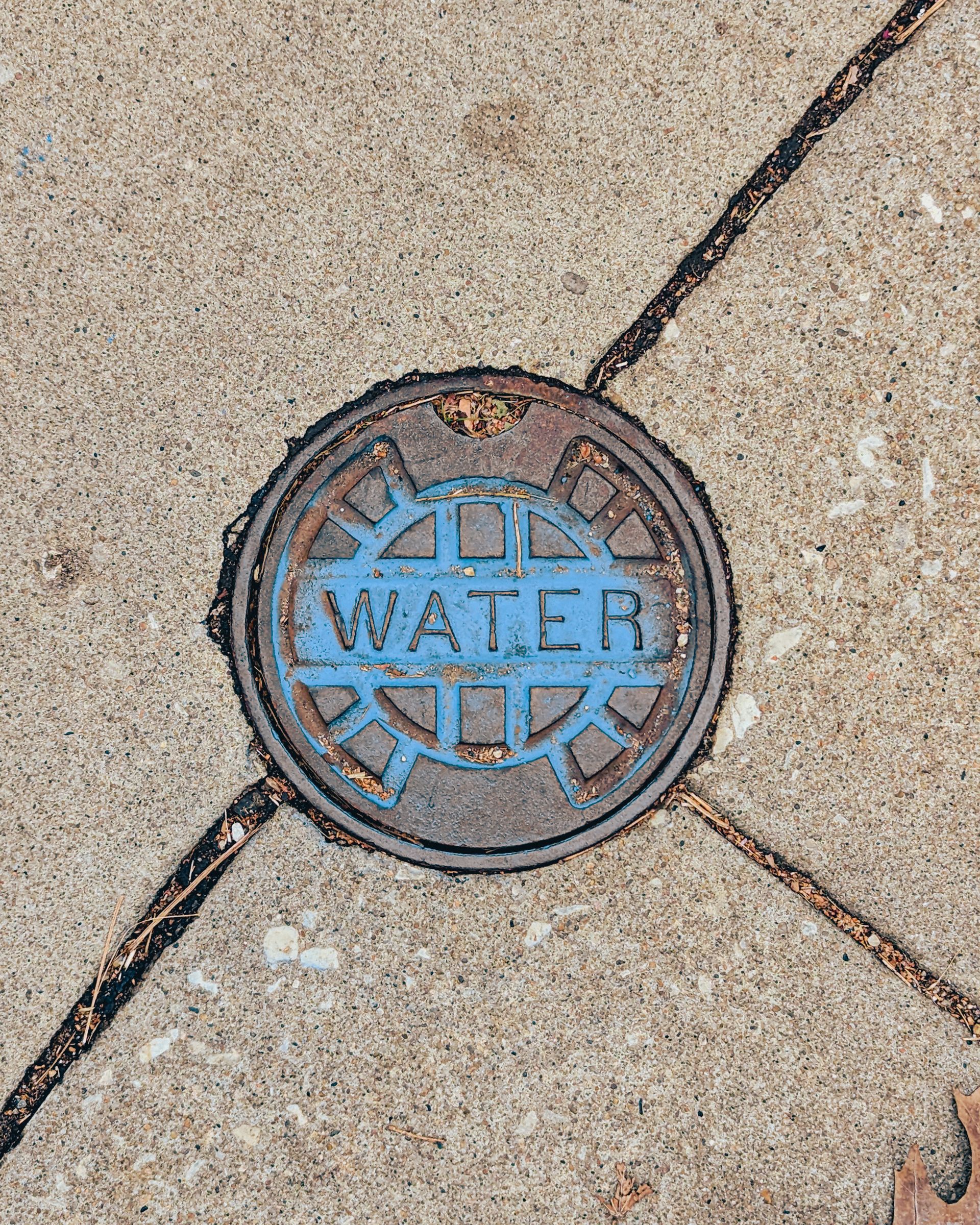
Water planning starts with a straightforward question: Does the property have access to a public water system, or will the home need a private source? The answer changes how buyers approach this part of the project.
With public water available, buyers can contact the local provider to learn what the property needs for a residential connection. Existing service nearby doesn’t always mean the lot already has everything required to deliver water to the home.
Properties outside a public water service area may rely on a private well. Qualified professionals can determine an appropriate location and complete the work according to local requirements. Resolving the water source early also lets crews account for the connection while planning work around the building site.
Decide How the Property Will Handle Wastewater
Wastewater planning follows a similar divide between public and private infrastructure. Some properties can connect to a public sewer system, while others require an onsite septic system.
If public sewer serves the property, buyers should confirm where the connection is available and what work must happen between that point and the home. The local provider can also identify which portions of the work belong to the property owner.
A septic system requires a different planning process because the property needs an appropriate location for its components. Local requirements or site conditions may affect the available options, so buyers benefit from addressing wastewater before finalizing the site layout. Waiting until construction advances can create conflicts if another planned feature occupies an area needed for the system.
Connection Distance Can Change the Site Work
Having utilities available near a property isn’t the same as having them ready at the home site. Buyers also need to consider how far each service must travel before it reaches the house.
A home positioned well back from the road may require utility lines to cover more ground than one closer to existing service points. Crews may need to excavate or complete other site work along those routes before making the connections. Property layout can influence the path, so look at connection distance early to give providers and contractors a clearer picture of the actual work the land may require.
Coordinate Utility Paths Before Crews Start Digging
Once buyers know which services the property needs, the individual connections have to work together on the same site. Planning them without considering the overall layout can create avoidable conflicts once work begins.
Underground lines need routes to the home, while private water or wastewater systems may require dedicated areas elsewhere on the property. Other planned improvements can also occupy space that contractors need to consider.
A coordinated plan gives each professional a clearer understanding of the project. Buyers should also make sure crews follow local procedures for identifying existing underground utilities before excavation begins.
Fit Utility Work Into the Construction Schedule
Utility connections don’t necessarily happen at the same stage of a build. Some work may need to occur before other site improvements, while final connections may depend on the home reaching a particular point in construction.
Starting those conversations early helps buyers identify dependencies before they affect the schedule. If a provider needs certain site work completed first, the project team can account for it when sequencing the job.
Buyers don’t need to predict every possible delay, but they shouldn’t treat utilities as a single finishing task. Connecting utility planning to the construction schedule gives providers and contractors a clearer opportunity to complete their work at the appropriate stage.
Know What Your Home Purchase Includes
Purchasing a build-on-your-lot home doesn’t automatically mean every utility connection on the property comes with the home package. Buyers should confirm the scope of their purchase before making assumptions about site work.
Some responsibilities may remain with the property owner and require separate contractors or utility providers. Clear expectations make budgeting and scheduling easier because buyers know which parts of the project they still need to arrange.
Keeping the home purchase and property responsibilities distinct gives buyers a more accurate view of the project. It also reduces the chance that missing arrangements surface after construction has already advanced.
Prepare Utility Connections With the Whole Property in Mind
Planning the essential utility connections for a build-on-your-lot home works best when buyers consider the property as a complete building site. Identifying available services early gives the project team time to plan connections and coordinate the work with construction.
If you’re comparing modular homes for sale in Georgia, Home Nation can help you explore home options that fit your plans for building on your own land. You can then work with local providers and qualified contractors to prepare the utility connections your property requires.