
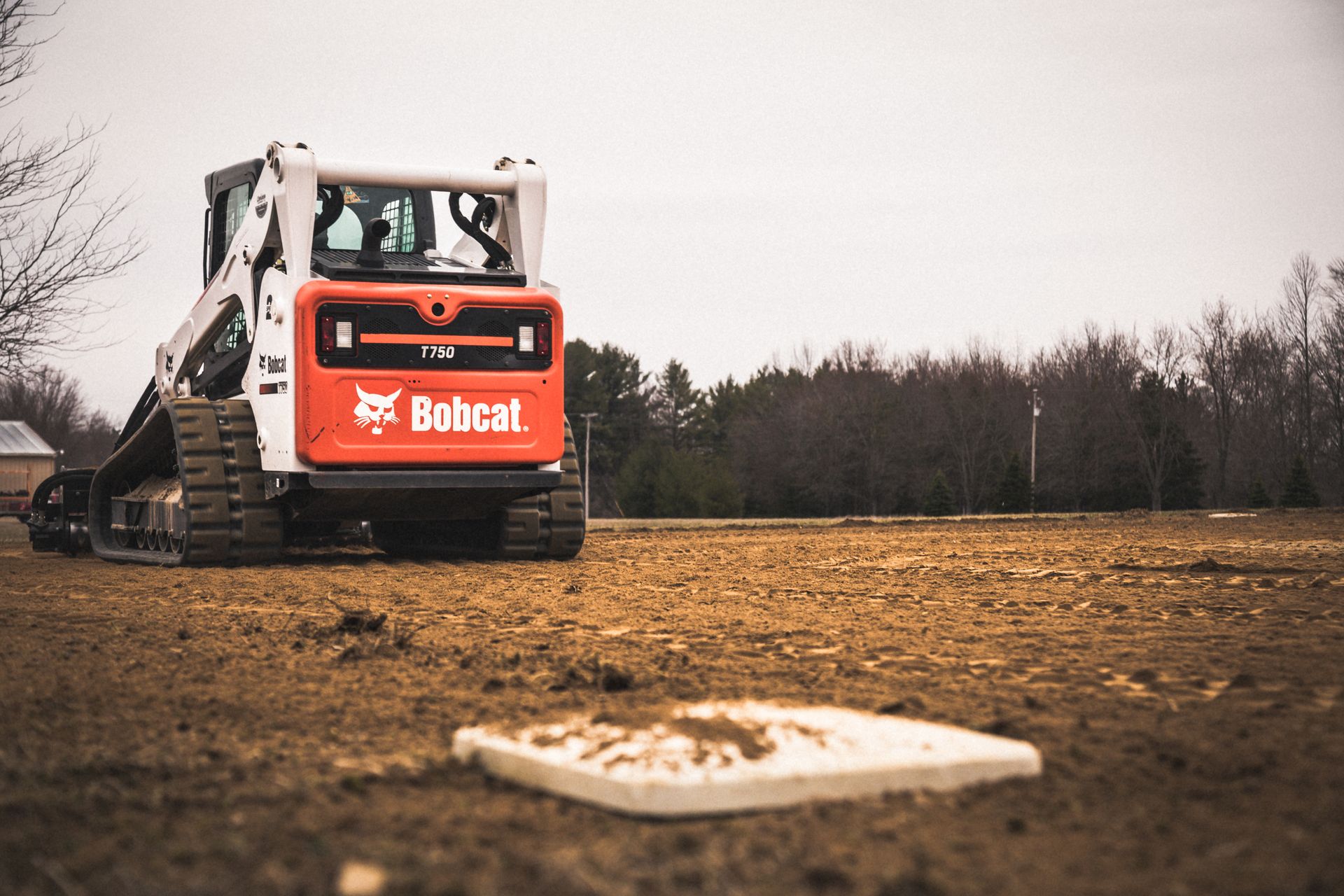
Preparing a property for a new home requires careful attention to the ground beneath and around the future structure. A lot may appear relatively flat at first glance, yet its elevations can affect how rainwater moves across the property and whether the finished site directs that water toward or away from the home.
That connection explains why proper land grading matters for new home builds before foundation and site work move too far ahead. Establishing the appropriate slope creates a better starting point for construction while helping the property manage drainage once the home is in place.
Land Grading Shapes the Building Site
Preparing a property for construction may require crews to remove soil from higher areas or add material where the site needs additional elevation. These adjustments establish the slope and contours needed for the planned home while accounting for the existing characteristics of the land.
As crews shape the building area, they also need to consider how the surrounding ground will function once construction ends. The foundation needs an appropriate site, but grading decisions extend beyond the home's footprint because changes in elevation can influence how the rest of the property handles runoff.
How much work the property requires depends largely on its existing terrain and drainage patterns. A relatively level lot may need only moderate adjustments, while substantial elevation changes can require more extensive grading to create a suitable building area and connect it with the surrounding land.
Directing Water Away From the Home
Rainwater follows the contours of the ground, which makes the finished grade an important part of drainage planning. When the land slopes appropriately away from the home, runoff has a path that doesn't depend on collecting immediately beside the structure.
Poorly directed runoff can collect around the building site or flow toward the home and other vulnerable areas. Contractors can use the grading plan to establish how surface water should move across the property while accounting for the conditions of the individual lot.
Drainage planning extends beyond creating a slope beside the home. Contractors may need to consider neighboring elevations and other site features that affect where runoff can travel. Addressing those conditions during grading gives crews an opportunity to shape the property before landscaping and other finishing work limit access.
Grading Creates a Better Starting Point for Foundation Work
Foundation preparation depends on the conditions beneath the future home, so contractors need to establish the building area according to the project's plans before construction advances. Grading helps create the required elevation and defines the area where the foundation work will take place.
Although grading establishes the shape of the building site, additional preparation may be necessary before crews can begin the foundation. Soil conditions and the foundation design can affect what the property requires, making professional evaluation important before construction moves forward.
Addressing grading requirements before foundation work begins allows later construction to follow the elevations established for the project. If crews discover a significant grading problem after the foundation or surrounding work has advanced, correcting the site can become more disruptive and require adjustments that earlier preparation could have avoided.
The Natural Slope Affects the Grading Plan
Two properties with similar dimensions can require very different site preparation when their terrain differs. A nearly level parcel presents different drainage questions from a sloped lot, so contractors can't rely on one grading approach for every new home.
Sloped properties may require crews to manage larger elevation changes while creating a suitable building area. The location selected for the home can influence how much earthwork the project needs and how the finished grade connects with the surrounding land.
Grading Can Affect Other Property Improvements
A new home isn't the only feature that needs to fit the property's elevations. Driveways and planned outdoor areas also interact with the surrounding grade, which makes it useful to consider them before crews finish shaping the site.
For example, changing the elevation around the home can influence how another part of the property connects to it. A driveway needs to reach the home at a practical grade, while outdoor areas need to work with the drainage pattern established for the lot.
Thinking beyond the immediate footprint can prevent one improvement from creating a problem for another. Contractors can make more informed grading decisions when they understand how the owner expects to use the surrounding property after construction.
Soil Conditions Can Change the Site Preparation Process
The visible surface doesn't tell buyers everything about how a property will respond to construction. Soil characteristics vary between sites, and contractors may need property-specific information before determining how to prepare the building area.
For that reason, buyers shouldn't assume that a visually flat parcel is automatically ready for a home. Professional evaluation can identify conditions that aren't obvious during a casual property visit and establish the appropriate preparation before construction proceeds.
Local Requirements Can Influence Grading Decisions
Depending on the jurisdiction and characteristics of the property, local requirements can influence how contractors prepare a residential building site. These requirements may affect drainage plans or other aspects of grading that crews need to account for before beginning major site work.
Before authorizing significant changes to the land, buyers should confirm which requirements apply to their property. Local authorities or the professionals involved with the project can identify necessary approvals and clarify any conditions that may influence the grading plan.
Confirming those requirements early gives contractors clearer parameters before equipment arrives at the property. With the necessary elevations and site constraints established beforehand, crews can shape the land according to the approved plan without having to correct avoidable conflicts later.
Build From a Properly Prepared Property
Recognizing why proper land grading matters for new home builds gives buyers a clearer picture of the work that needs to happen before the finished home occupies the property. The right grading plan establishes the elevations needed for the project and directs surface water according to the conditions of the site.
For buyers exploring manufactured homes for sale in Florida, preparing the property is an important part of planning for a new home. Home Nation can help buyers explore available home options while they coordinate the site-specific work their property requires.